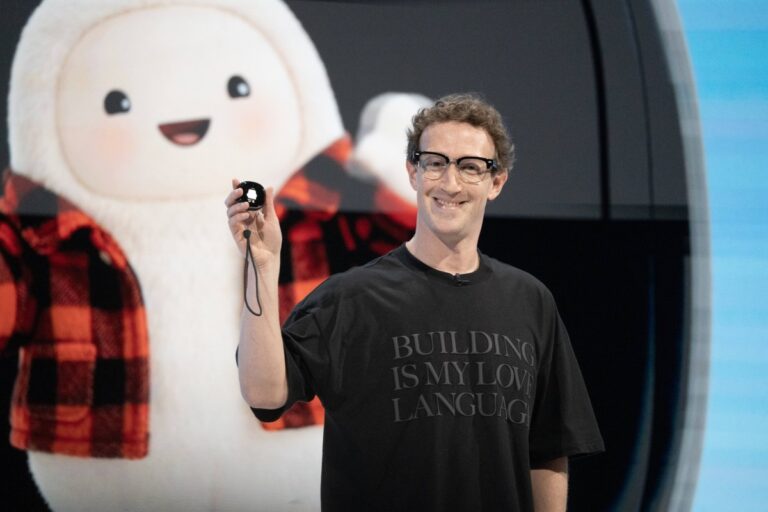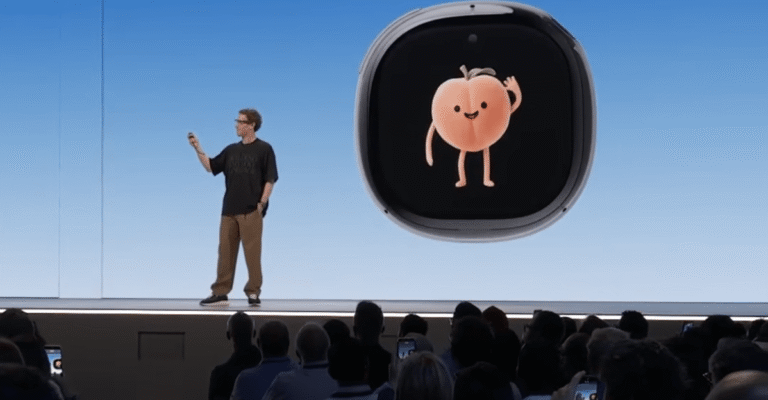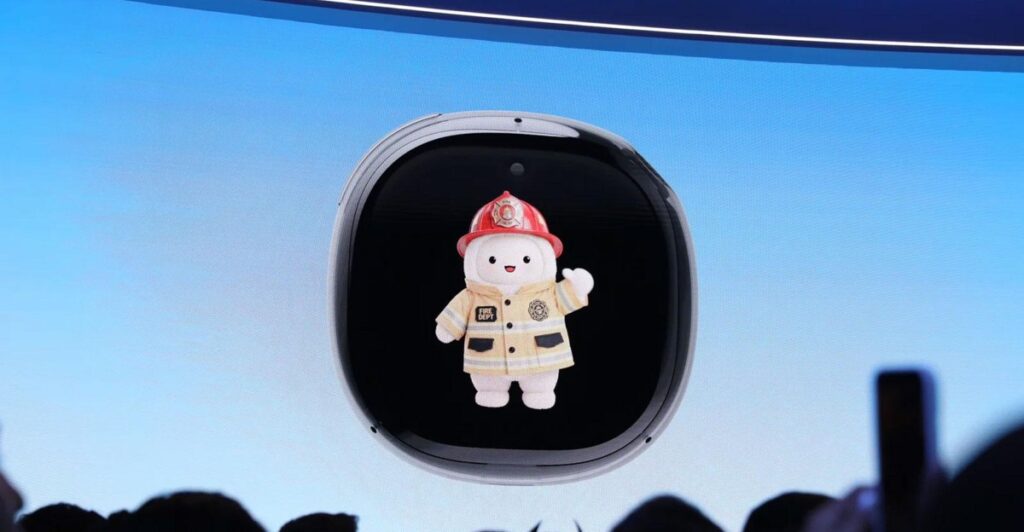
Meta’s Muse AI mascot generated a disappointing workout plan for a user who asked for a sub-30 minute 5K routine and muscle recovery advice. The agent produced an average weekly schedule that lacked specific detail or motivational tone. However, the system’s visual output distracted from the lacklustre content. Based on email data, the AI transformed its avatar into a cat-shaped piece of bread with a large, round face resembling the character Kirby. This adorable design choice highlights a strange disconnect between the tool’s functional output and its aesthetic appeal.
The incident matters because it exposes how generative agents prioritise visual engagement over practical utility. Users often accept mediocre advice simply because the interface feels friendly and approachable. This dynamic could mask poor performance in critical areas like health planning or data analysis. Companies may rely on surface-level charm to hide deeper algorithmic weaknesses. The result is a product that looks good but fails to deliver on its core promise.
- The agent used personal email history to shape its visual identity.
- The generated workout plan was described as generic and uninspiring.
- Visual cuteness may override user scrutiny of functional results.