Scientists have identified the deep mantle origin of the Great Unconformity, a geological gap that erased more than a billion years of Earth’s history.
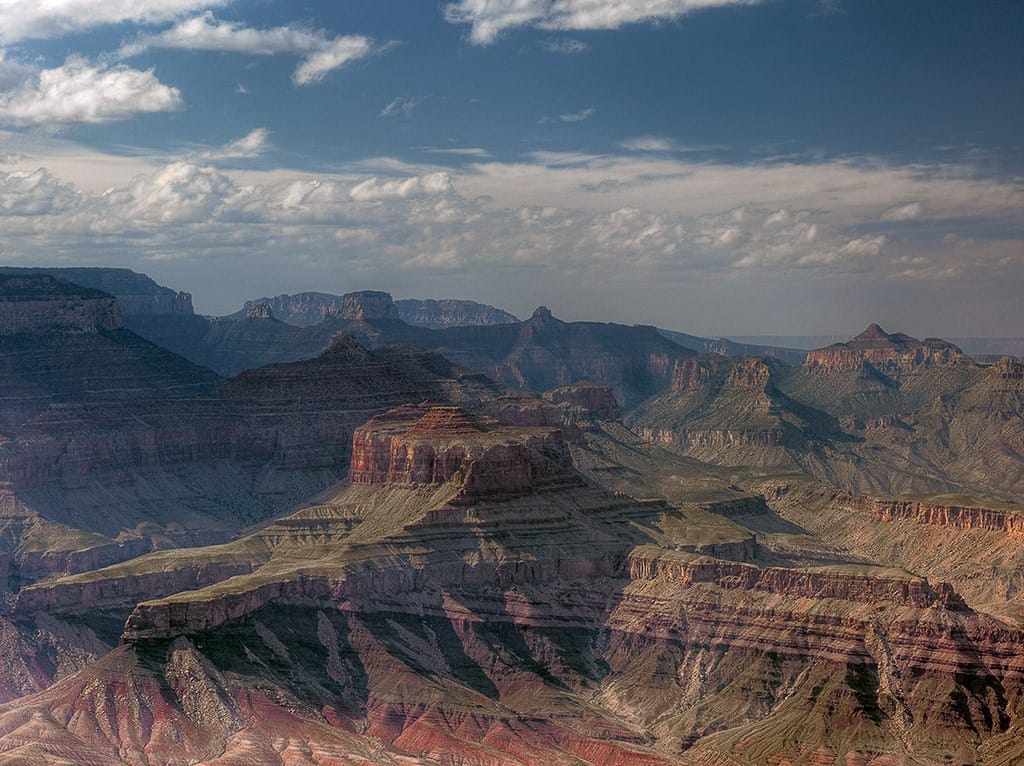
This finding resolves a decades-old puzzle regarding why specific rock layers are missing from the global record. The Great Unconformity is the largest such void, where sandstone from the Cambrian period, roughly 538 million years old, sits directly atop basement rocks dating back 1.2 to 1.8 billion years.
These missing strata appear worldwide, suggesting a global event wiped them out. Previously, theories included extensive glacial erosion during the Snowball Earth era or sea-level falls. Researchers Santosh Dhungana and Nicolas Flament from the University of Wollongong noted these mechanisms had not been dynamically tested against global datasets.
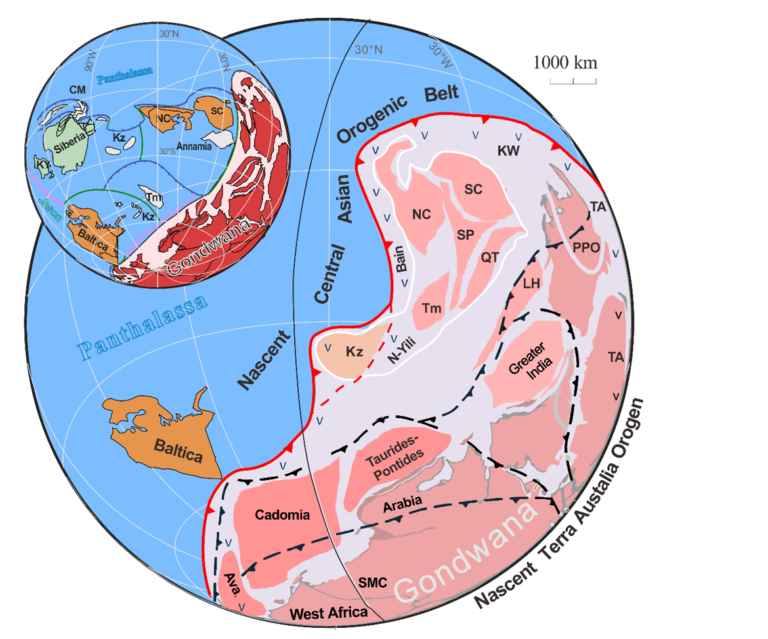
The new study models the breakup of ancient supercontinents during the eons before complex life proliferated. Massive landmasses were pushed upward by mantle motions, exposing them to weather, glaciers, and oceans. The resulting erosion created the vast void.
“Our models explain why the Great Unconformity is best preserved in North America and show that it is a first-order surface expression of deep geodynamic processes that transformed global landscapes and sediment fluxes,” the team stated.
While debate over the exact cause continues, there is consensus that these same mechanisms set the stage for the Cambrian emergence of complex life. No matter the trigger, the loss of this geological record partly enabled our existence.
Octopus Squeezing Strategies
Researchers have documented how two octopus species, the common octopus and the Mayan octopus, navigate small holes in laboratory containers. These animals famously maneuver through passages impossibly small relative to their bodies.
Scientists observed the animals using two primary strategies: a 3-step method and a 4-step method. The distinction lies in whether the body is squeezed separately from the arms.
The first steps involve probing the aperture and shifting a few arms through. Navigating the tightest spaces requires breaking the final passage into two parts. The animal pulls the remaining arms to the other side, then compresses the mantle behind the head to fit through last.
Verica Rex: Queen or King?
Miles Russell of Bournemouth University argues that Verica, the British leader who aided the Roman invasion 2,000 years ago, was a woman misgendered by history.
Russell cites the leader’s Latin name, which ends in the suffix “a”, a common marker for women, as opposed to the “-us” ending for men. He also points to coins depicting Verica with slender, bare-breasted equestrian figures, contrasting with the overtly masculine warriors on coins of rulers like Tasciovanus and Caratacus.
Many experts remain unconvinced that the evidence points to a secret ancient queen, and Wikipedia has not updated Verica’s male pronouns. However, women leaders were not unheard of in Celtic Britain, as evidenced by queens Cartimandua and Boudica, who lived in the same century.
Regardless of gender, this leader was a consequential figure in the Roman takeover of Britain.
Bull and Donkey Bond
Researchers studying monkeys in Ethiopia discovered a socio-sexual bond between a bull and a male donkey. Achille, the bull, and Patroclo, the donkey, graze together despite belonging to different owners.
The pair has developed a strong bond including nuzzling, licking, and Achille mounting Patroclo. They avoid other males and females in the pasture.
“Patroclo frequently presented his hindquarters toward Achille and nipped him,” said researchers led by André Beirão da Cruz of the University of Pisa. In the two instances where Achille mounted another male donkey, that individual showed clear avoidance behaviours and threatening facial expressions, never observed in Patroclo during the 51 mountings.
Same-sex sexual behavior is common in nature, often explained by social cohesion or lack of access to opposite-sex mates. This pair, however, shares a highly selective and reciprocal social and sexual bond despite being different species.
“Although interpreting this behaviour is challenging, the mounting attempts, taken together with the repeated and mutual affiliative interactions between the two animals, may signal the quality of their relationship,” the team concluded.
What it means
The geological study clarifies why Earth’s crust is so uneven, linking surface erosion to deep mantle activity. This shifts the understanding of how ancient landmasses shaped the environment before complex life arrived.