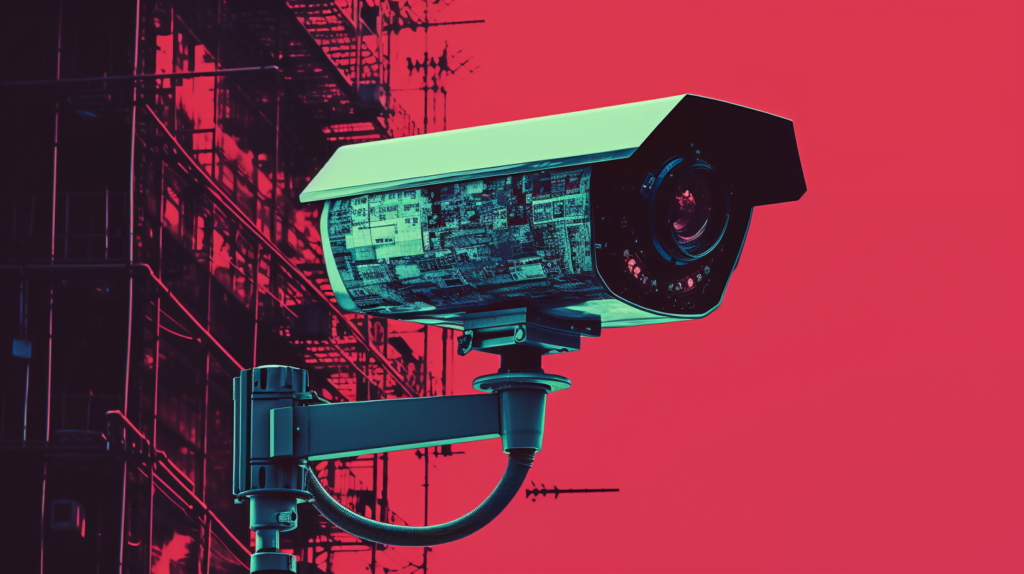
China turns its aging camera network into an AI-powered mass surveillance apparatus
Key Points
- China is upgrading millions of old surveillance cameras with AI vision and language models from Hikvision and Huawei, enabling automated behavior analysis and text-based video search.
- The push follows a 2024 directive after violent attacks and shifts the system from reactive identification to large-scale behavioral monitoring.
- Rights experts warn of a far more sweeping surveillance approach, with Anthropic cautioning China could scale AI-powered monitoring significantly by 2028.
Local authorities in China are equipping millions of old cameras with computer vision and language models.
China is modernizing its nationwide surveillance system with AI, giving police far greater powers for automated behavior analysis and predicting potential unrest. That’s according to the Financial Times, which reviewed more than a dozen procurement documents and spoke with industry insiders.
Facial recognition, license plate scanning, and standard computer vision have been deployed across China since the mid-2010s. But the old network was built to identify specific individuals, ran on outdated hardware, and sent footage to central data centers for processing. Minxin Pei of Claremont McKenna College told the FT that China’s legacy surveillance system is reactive and not good at guessing the intentions of people who aren’t already on a watch list.
Manufacturers like Hikvision and Huawei now ship cameras with built-in computer vision and language models, the report says. These systems are designed to detect erratic driving, crowds forming, unauthorized access, or suicidal behavior on bridges and trigger alerts automatically. The latest Hikvision generation lets officers search footage by typing text queries, like looking for a woman wearing a red hat.
A Hikvision manager told the FT that police no longer need to review footage manually. They feed the system a text prompt, and it finds the clips. Hikvision itself said its products digitize routine tasks that previously relied heavily on manual review.
Smaller budgets, targeted upgrades
A procurement document from Yaodu in Sichuan calls for about 175 HD cameras with smart video analysis, according to the FT. A police tender in Datong lists Hikvision cameras that identify gender, posture, and clothing. Early deployments focus on dense urban areas and zones around military and government buildings. Other agencies are keeping their existing cameras but swapping out intermediate servers for AI PCs that process video locally and cut cloud costs.
The upgrades follow a 2024 directive from Public Security Minister Wang Xiaohong, issued after a string of violent attacks that experts link to a mental health crisis worsened by pandemic lockdowns and a sluggish economy. Pei says these incidents exposed the limits of the current surveillance apparatus. Maya Wang of Human Rights Watch warns that the philosophy behind China’s surveillance system is becoming more sweeping. AI and computer vision give authorities an unprecedented capacity to monitor behavior at scale, she says.
In a recent policy paper, Anthropic warned that if the compute gap keeps closing, China could not only catch up technologically by 2028 but also scale AI-powered surveillance and repression.
Subscribe now