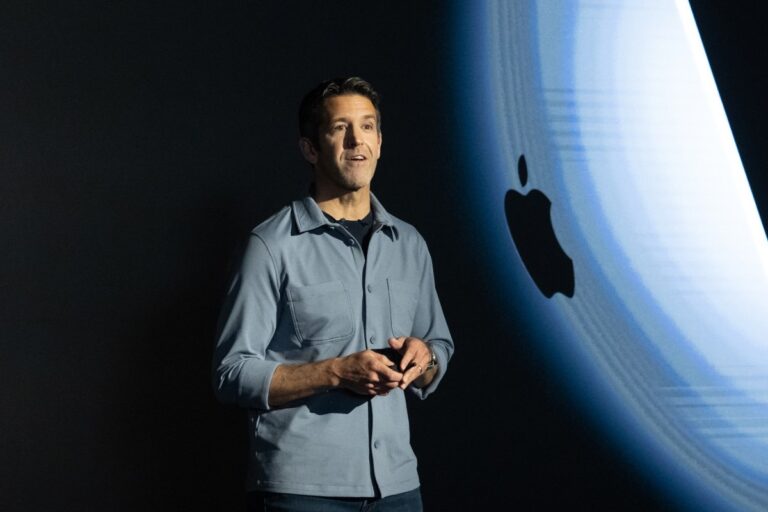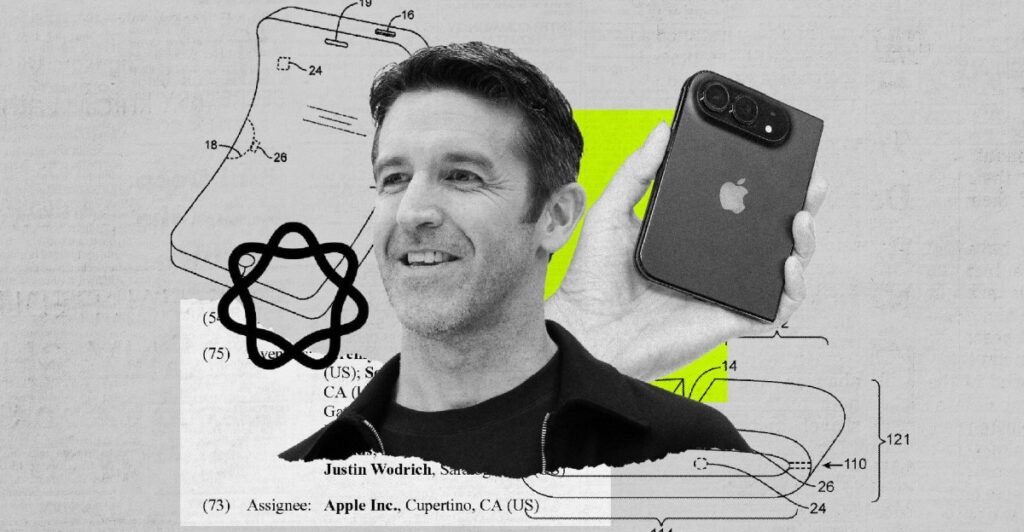
John Ternus presented Apple’s first foldable smartphone, the iPhone Duo, at his inaugural major product launch just weeks after taking over as CEO from Tim Cook.
This event marked a deliberate shift in Apple’s internal narrative. The company moved from the era of hardware-centric updates to one focused on artificial intelligence. Ternus used the stage to outline his vision for an “intelligent personal hub,” positioning the device at the centre of a new ecosystem.
Bloomberg’s Mark Gurman joined the discussion to explain the context. He noted that while the presentation felt familiar, the messaging around AI represented a distinct change in leadership style.
The shift in leadership style
Gurman highlighted a difference between Ternus and the previous management. Cook’s approach involved extensive questioning before decisions were made, prioritising communal consensus. Ternus, by contrast, presented clear opinions and viewpoints immediately.
The CEO stated his position on AI early in the keynote. He acknowledged that others might prefer the approaches of OpenAI or Anthropic, but he insisted on a specific Apple path forward.
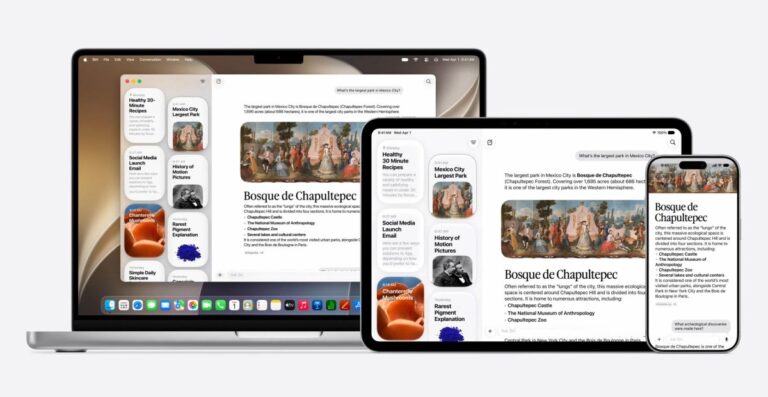
Apple has been developing its AI tools since launching Apple Intelligence at WWDC in 2024. Gurman described the previous rollout as a collection of scattered features lacking a unified story. This year, the company finally established a coherent narrative.
Playing it safe
The keynote did not introduce any new AI capabilities beyond what had already been shown over the last two years. The first fifteen minutes of the speech repeated features already familiar to users.
Gurman suggested this was a strategic choice to ensure Ternus succeeded in his first event. The presentation relied heavily on Apple’s established history, including a reference to the iMac as a digital hub from 1998.
The company also played safe by avoiding major new AI products. There were no new smart home hubs or spatial computing devices unveiled. The focus remained strictly on the iPhone.
Gurman noted that Ternus could not go wrong by introducing a new iPhone model. It is the safest product launch possible. Any attempt to introduce a new AI device without a killer feature would have been riskier.
Meanwhile, competitors like Meta are offering cloud-based AI services with significant resources. Meta launched Muse recently, providing users with eight gigabytes of storage and eight gigabytes of RAM in the cloud.
Gurman explained that Apple currently lacks a dedicated AI device at the core of its hardware lineup. The company relies on the iPhone to support its AI ambitions until a superior alternative emerges.
Apple plans to release new smart home products later this year. Gurman confirmed he expects these devices to represent the first attempt at truly AI-native hardware.
With Siri now functioning more effectively, users can begin testing new capabilities. The company is moving forward with a narrative that centres on intelligence rather than just hardware specifications.
What it means
For users, the change is a clearer story about how Apple’s AI tools fit together. The company is no longer presenting isolated features but a unified system.
For developers and businesses, the shift indicates Apple is ready to make firm decisions about its technology direction. The era of waiting for consensus has ended in favour of a defined strategy.