“Human heart, digital skin: that’s our motto,” says Kelvin Avon from his Hong Kong studio. He describes the tagline as the anatomy of Supa Soula, his custom-made pop star.
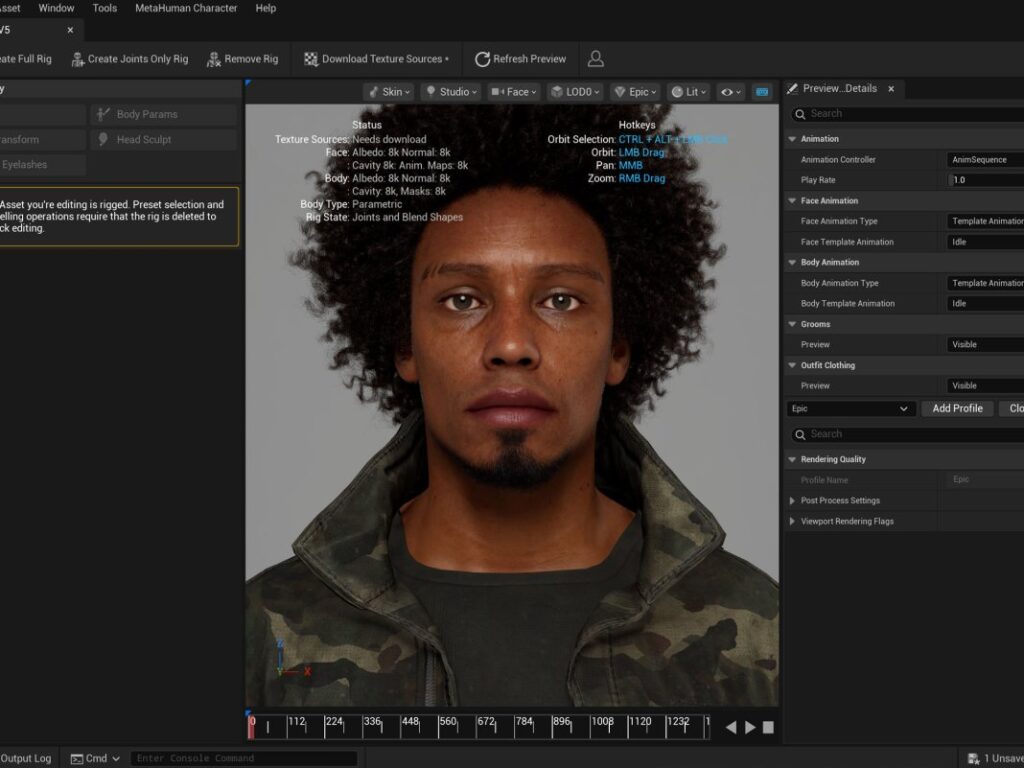
Supa Soula is the first in a roster of digital artists signed to WeAreMetaMuse. Avon, a veteran producer and artist manager, built the character’s look in Blender and animated his dance moves in Unreal Engine. The ‘human heart’ inside the avatar is an amalgam of Avon and a tight-knit team of songwriters.
“We’ve known each other for close to 20 years and we have maybe 60 to 70 songs we’ve written together,” Avon says of the crew. “He’s a picture of all of us thrown into this one avatar. That’s where his name came from: he’s a digital super soul.”
Music success is usually a team effort. Behind-the-scenes writers, producers, and managers build the brand. The crucial difference here is that everyone contributing to Supa Soula, even session musicians, owns a piece of the intellectual property.
“It’s a collective,” Avon points out. “We all own Supa Soula. So if we did, say, a brand deal then everyone would get paid. Now that streaming royalties have dried up, this gives behind-the-scenes creators a revenue stream that we didn’t have before.”
The original motivation was simple frustration. Avon has worked as a producer, artist manager, and mix engineer for close to 25 years.
He found that projects often ran at the whim of the artist. Getting someone signed, assembling a team, and working for years to build momentum only for the artist to decide they wanted a different career, to raise a family, or to change management. “It seemed to happen more often than not,” Avon reflects. “I spoke to a lot of the producers and songwriters I collaborated with and we all had very similar stories.”
“We’re artists ourselves,” Avon continues. “We’re creative. We make music, we just don’t go to the front of the stage. What we’re doing now is releasing music we’ve written that, for whatever reason, didn’t get picked up. Maybe it wasn’t on-trend, not commercial enough, didn’t fit the artist but actually I think a lot of this is the best stuff I’ve done. Without Supa Soula, these songs would never see the light of day.”
With an extensive catalog of unreleased material to draw from, finding the right songs for Supa Soula’s debut was the easy part. Perfecting the look, style, and movements of the avatar was a bigger challenge.
“We had to think: ‘How does he look? What race is he? Is he tall? Skinny or muscly? How does he dance? What outfits can we put him in?'” Avon describes a detailed production that took the character from fantasy to digital fact. While generative AI was used for some visual ideation and early prototyping, he makes it very clear that all the music and the animation was done by hand.
“People want real artistry,” Avon emphasises. “Even when you’re seeing a digital avatar, people want a human to be behind it. So, the movement you see in the music videos is a human dancing in a motion capture suit. The guitars are real. The singing is real. The production is real.”
With an eight song EP and a series of accompanying music videos still in the works for Supa Soula, Avon is already looking to “grow the family”. Mei Mei, a female avatar aimed at appealing to the Chinese music markets, is the next phase.
“I wrote for a lot of Chinese artists,” Avon says. “So, again, the songs are coming from my old demos, but we’re also bringing in a local producer and working with a Mandarin singer and with Mandarin musicians.”
Catchy songs and engaging videos are all well and good – but the fan interaction is also core to a pop star’s appeal. Asked how listeners can engage with these avatars beyond Spotify or YouTube, Avon has a ready answer.
“We’re thinking of gamification more than personal interaction,” Avon offers. “It’s possible to do something similar to the old-style ‘meet and greet’ but I think you’d lose a bit of the magic there. I think we need to gamify the interaction with the fans and, especially with younger audiences, they’re very used to digital worlds like Roblox and things like that.”
“One of the ideas we’re playing with right now,” he continues, “is to give people the ability to go into Supa Soula’s studio and do their own remixes of his songs – but to do this as a game. Maybe there’s a competition and the best remix gets a release.”
Digital avatars and virtual pop stars are far from new. Avon readily admits that Supa Soula and WeAreMetaMuse are part of a tradition that extends from Gorillaz to Hatsune Miku.
“We’re not breaking the mould here,” he concedes. “But I do think our ethos, and how we’re trying to build out this digital collective, that’s what’s special.”
In a world of fake AI bands, vocal clones, and bands resorting to ‘psy-op’ marketing campaigns, the virtual avatar of Supa Soula is a little refreshing. Which parts of a creative project are human and which digital, where AI was used and where it wasn’t: these are the details that feel increasingly important.
There will be many who will always prefer flesh and blood performers over virtual simulacra – and that’s just fine with Avon. “I see this as entertainment,” Avon says simply. “We’re not trying to pretend that this is a real person. It’s just some great music wrapped in a digital avatar who’s dancing and singing for you; if you like it, great, if you don’t, that’s ok.”
What it means
For the people making things, this model fixes a specific problem. Streaming royalties have dried up for many session musicians and writers. By putting the intellectual property into a collective owned by the team, anyone who contributes to a brand deal or a hit track gets paid. The work remains human, with real instruments and real motion capture, but the ownership structure allows the behind-the-scenes crew to build a sustainable career path.