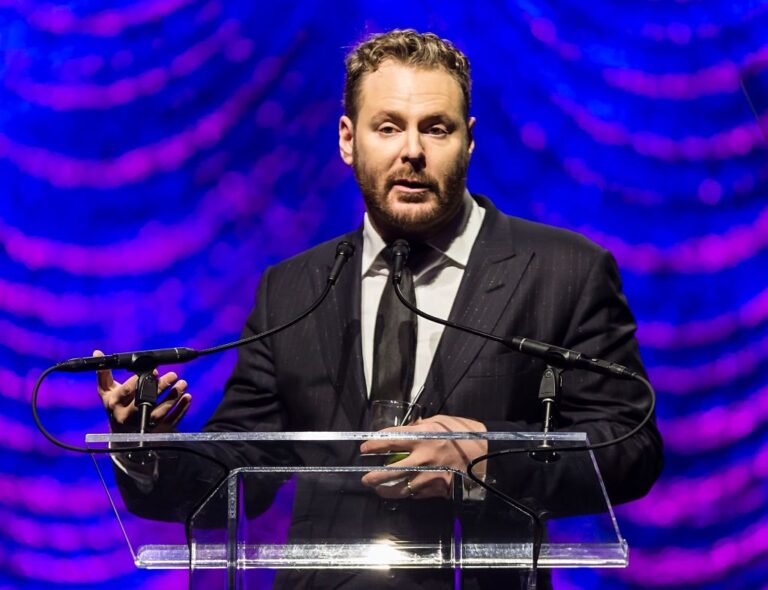
Robb McDaniels stepped down as CEO of Beatport on 1 July 2026, moving to an executive chairman role while handing leadership to Matt Gralen and Helen Sartory. The transition took place at International Music Summit Ibiza, where the outgoing boss and his successors confirmed the platform would continue to prioritise music downloads alongside streaming.
The new leadership team, who have managed the company alongside McDaniels for four years, emphasised stability over a complete overhaul. They plan to focus on core structural upgrades, better library management, and improved tools for labels. There is also a push to expand into the fan space to introduce more people to DJing, alongside a packed schedule of Beatport Live events.
Plugin Boutique and the indie developer scene
Helen Sartory stated there are no immediate drastic changes planned for Plugin Boutique, a major marketplace for producers across genres. She noted the marketplace sits in a useful position during a time of significant change in the plugin world.
The company wants to ensure indie developers have a place to reach customers at scale. This allows producers access to a wide range of tools to express themselves. While AI is changing how music is made, Beatport hopes it drives more variety in workflows, sounds, and styles rather than a homogenisation of audio.
AI rules and the download format
AI and generative music remain a hot topic for the Beatport team. Their stance is driven by what the DJ community wants. Regular surveys show the majority of DJs do not want to use AI-generated tracks. Consequently, fully AI-generated music is not permitted on the store and is removed if found.
The team will continue to consult with the community. If sentiment changes, they will reassess the policy. The key requirement for any generative music that does land on the dance floor is that it must be trained on fully-licensed data and compensate artists fairly. Helen Sartory added that music is about communication, community, and empathy, which are human traits she hopes remain central to the creative cycle.
Matt Gralen agreed, stating the labels and artists are the most important partners. The company aims to empower them rather than engage with anything that feels threatening to their business. They intend to stay ahead of the curve as new technology becomes potentially beneficial, supporting innovation in a responsible way.
Labelling and detection
Users on other platforms, such as YouTube, have begun self-labelling work as “100% human-made” or “no AI slop”. Beatport has considered a similar labelling system. When asked if the community would prefer this, the response was largely “Yes, if AI music is on Beatport, we want it to be labelled”. However, the majority still do not want AI music on the platform in the first place.
The team plans to stick with the current policy for now, following the wants and needs of the DJ space. They are testing various AI detection systems to see if a safety net is needed immediately. As a niche digital streaming platform, Beatport ingests tens of thousands of tracks a week and tries to weed out problematic content quickly.
Community and events
Investment in the community continues through the Beatport Live brand, which hosts fun events and provides a platform for artists, DJs, and labels. This has been a positive development over the past 18 months, helping align these groups with the Beatport brand and bringing fans to live events.
Community initiatives like the NEXT programme will continue, potentially in different forms. The goal remains to support organisations, artists, and labels that are on their way up. Helen Sartory noted that a strong, healthy middle class of musicians benefits everyone, providing variety and interesting talent.
Streaming and Track ID
Downloads continue to grow year after year and remain the preferred format for the majority of customers. While streaming gains popularity, the team views it as a complementary workflow rather than something that cannibalises downloads. They are looking at ways to support DJs using a hybrid approach.
A new feature called Track ID is available in the mobile app. This allows users to share what is being downloaded and what is being performed around the world in real-time. It is the first step in collecting data about what is played out on danceflores.
The ambition is to create a clearer picture of what is performed in DJ sets, not just what is on USB sticks. It is early days, but the ultimate goal is to partner with other data providers. This would help artists and labels understand the early stages of how a track breaks and ensure performance royalties are paid to the correct rights holders.
Helen Sartory confirmed there is more interesting work to come, but there are no radical changes to worry about right now.
What it means
For people making music, the message is clear: the platform will not ban human-made tracks, but it will block fully AI-generated ones unless they are licensed and pay royalties. The focus remains on supporting the people who make and sell dance music, whether through downloads, plugins, or live events. Streaming is treated as an add-on to the main business of selling files.