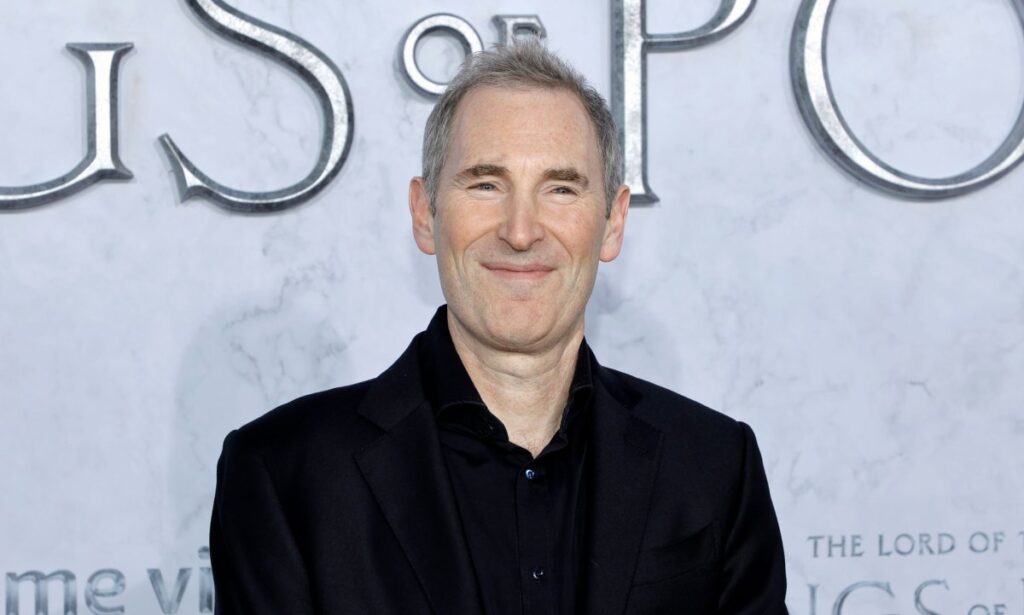
Andy Jassy told investors on Thursday that AWS will eventually generate a trillion dollars in annual revenue, but the company must first spend heavily to build the infrastructure required to reach that target.
During Amazon’s quarterly earnings call, the CEO stated that the firm is constructing something without precedent in business history. He noted that no company has yet achieved $1 trillion in yearly revenue.
To get there, Amazon plans to increase its capital expenditure significantly. Jassy said the company expects 2026 cash capex to reach approximately $220 billion, with most of that going toward AWS. Spending is projected to be even higher in 2027, provided the investment delivers financial returns as planned.
Concerns about this spending have persisted among investors throughout the year. Analysts pressed Jassy repeatedly for clarity on the scale of the investment, the certainty of future growth, and expected profit margins.
Jassy argued the outlay was justified by a historic surge in global cloud demand driven by artificial intelligence. AWS revenue rose 39 percent compared to the same quarter a year ago, marking six consecutive quarters of steady growth.
He forecast a 40 percent increase next year and another 40 percent in 2028.
“AWS is a $184 billion annualized revenue run-rate business, and yet the opportunity remains extraordinary,” Jassy said. He added that continued innovation, new core and AI functionality, and the addition of capacity each year meant AWS could grow north of 40 percent in 2027 and 2028. He believes the business could reach a trillion-dollar revenue level within the next five to 10 years.
The CEO described the current stage of enterprise adoption as the very early days and confirmed the strategy was working.
When asked why the investment required to expand AWS was so large, Jassy called the AI boom a once in a lifetime opportunity. He said the financial commitment was both necessary and worthwhile to maintain leadership.
“We’re going to invest to continue being the leader,” he said. “We can fund this plan, and I think it will forever change the size of Amazon. It will forever change our revenue.”
Investors remained cautious. Shares fell about 6 percent in after-market trading on Thursday.
The AI boom has presented a complex situation for the cloud industry. The services powering the boom rely on cloud infrastructure, meaning providers like Amazon must spend heavily to earn heavily. Microsoft recently posted record-breaking revenue growth driven largely by its cloud business, and it has also spent a bundle on infrastructure.
What it means
For businesses using AWS, the immediate impact is a continued focus on infrastructure expansion rather than new pricing models or feature rollouts. The company is prioritising capacity to handle AI workloads, which supports existing customers but does not alter current API behaviour or account policies.