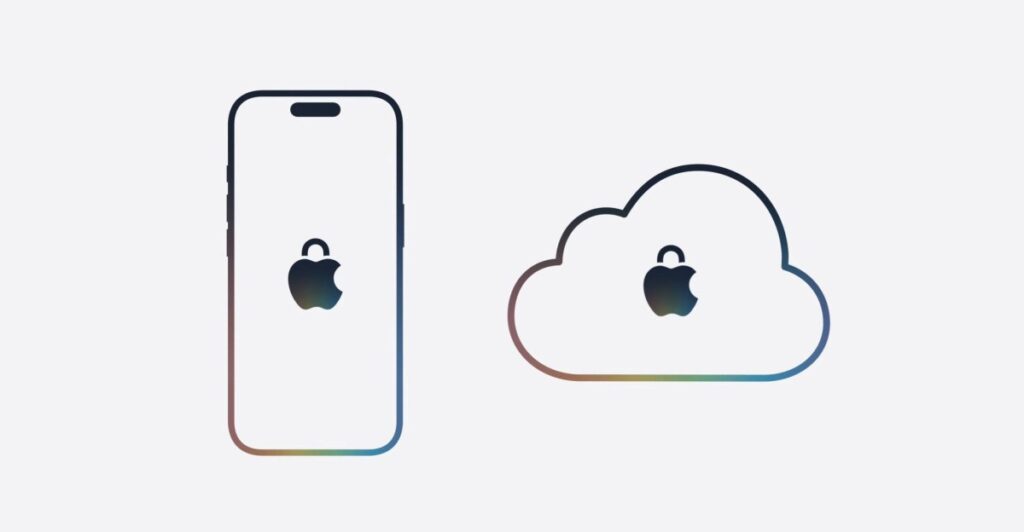
Apple’s recent Worldwide Developers Conference keynote focused heavily on its artificial intelligence strategy, specifically the new Apple Intelligence suite. The company emphasised that its late entry into the market allowed it to prioritise privacy over speed. To support this, Apple introduced Private Cloud Compute, a system designed to handle complex AI tasks in the cloud while maintaining data security comparable to on-device processing. This approach involves sending sensitive data to remote servers, including those operated by Google, but processing it in isolated environments where the raw data never leaves the user’s control. The update also expanded Siri capabilities across iPhone, iPad, Mac, Apple Watch, and Vision Pro, adding a dedicated chat interface and advanced photo editing tools. Despite the technical claims, the core argument remains that Apple’s method of handling user data differs fundamentally from competitors who rely on public cloud infrastructure without such strict isolation guarantees.
This strategy matters because it directly challenges the current industry standard where AI models require vast amounts of personal data to function effectively. By attempting to bridge the gap between powerful cloud computing and strict data protection, Apple aims to retain user trust in an era where privacy concerns often drive consumers away from AI services. If successful, this model could force other tech giants to adopt similar hybrid architectures to compete, potentially reshaping how AI services are delivered globally. However, the long-term viability of this approach depends on whether the performance benefits of cloud processing can be achieved without compromising the strict privacy promises made to users. The success of Apple’s pitch will ultimately be judged by independent audits and real-world usage rather than marketing claims alone.
* Apple’s Private Cloud Compute claims to offer cloud-level AI power with on-device privacy standards by isolating data on remote servers.
* The new Siri AI features are now available across all major Apple hardware, including Vision Pro and Apple Watch.
* The industry may see a shift towards hybrid AI architectures if Apple can prove its privacy model does not sacrifice performance.