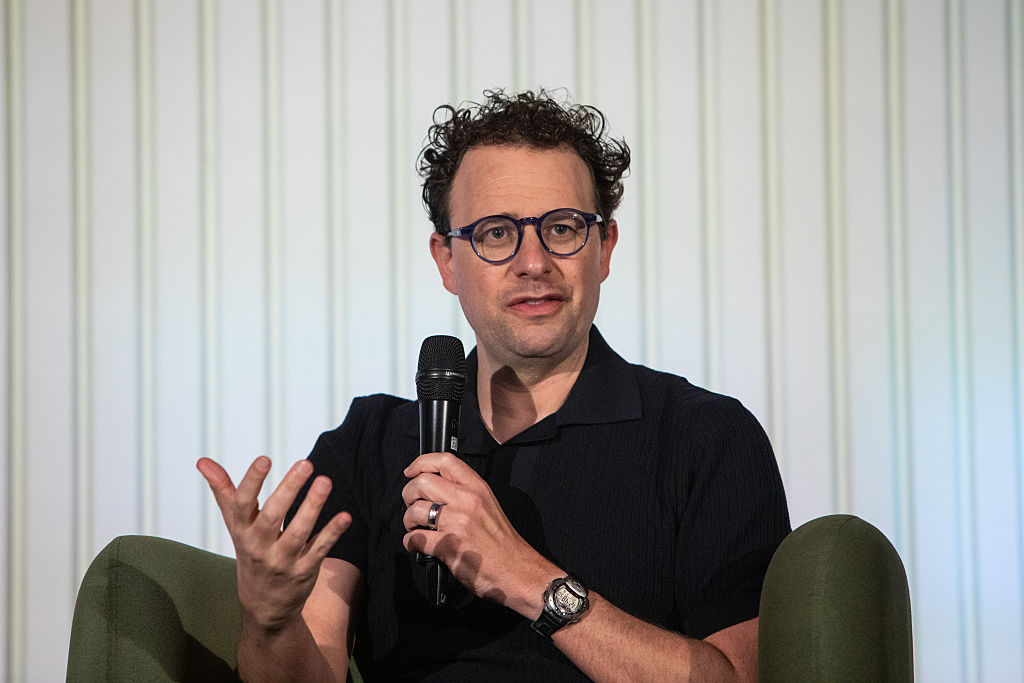
Anthropic CEO Dario Amodei has rejected the notion that he has painted an overly bleak picture of artificial intelligence.
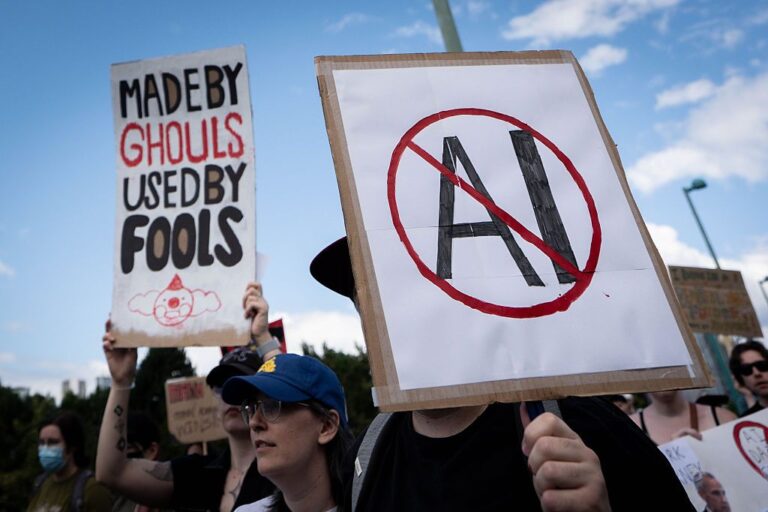
Amodei’s response came after investor Gavin Baker argued that the executive’s warnings about AI dangers have fuelled a backlash in the United States, specifically targeting data centres.
Baker claimed Amodei had “lost the argument” regarding AI regulation. The investor noted that Anthropic advocates for rules, including a California bill requiring transparency from large firms. Baker wrote that, given Amodei is about to lead one of the world’s most important companies, “I respectfully think he should make an effort to be a more positive advocate for his own industry.”
Baker is not alone in suggesting that government crackdowns stem from taking dire warnings from AI leaders seriously. Amodei disagreed with the idea that his “messaging has been disproportionately negative.” He stated his writing has been “about equally balanced between risks and benefits.” He explained he wrote the essay “Machines of Loving Grace” because he “didn’t feel the AI industry was painting an inspiring enough picture of how the technology could radically transform the world for the better.”
Amodei acknowledged that “the public has a negative view of AI” and agreed “this is a big problem.” He disagreed with the claim that this is “primarily caused” by him or any other AI leader warning about risks.
“I think it is fundamentally a crisis of trust,” Amodei said. “I think that ordinary people don’t trust companies, governments, or the tech industry and always suspect that we are cooking up some new way to screw them over.”
“Trust” often appears in debates about the AI sector, particularly concerning OpenAI CEO Sam Altman. For Amodei, however, this is a crisis decades in the making, with the current backlash “just the latest iteration of it.”
“I think by far the most accurate criticism of AI companies including Anthropic is that we haven’t yet delivered on our big promises to benefit the world,” Amodei said. “That is totally on us, and I think it’s the criticism you should be making, instead of all this stuff about messaging and marketing.” He added that Anthropic is “doing our best to fix this.”
On regulation, Amodei argued Baker presented “a false choice” between distributing AI widely without rules or concentrating the technology in the hands of a few firms through regulation.
“I know that there’s a sort of Silicon Valley shorthand where regulation = regulatory capture = concentration of power, but I’ve always found this to be an overly simplified picture of the world,” Amodei said. “Many people outside this bubble think of regulation as something that constrains corporate power and benefits ordinary people.”
Amodei added he does not “necessarily agree with that perspective either,” but said that explains “why Anthropic has always made its policy proposals very carefully.”
“We try very hard to make proposals that disadvantage (slow down) frontier AI companies while *advantaging* smaller competitors,” he said.
What it means
For developers and artists using these tools, the takeaway is that the industry expects to be held accountable for its promises rather than just selling a vision. Regulators may focus on slowing down the biggest players to give smaller firms a chance, rather than treating all innovation the same.