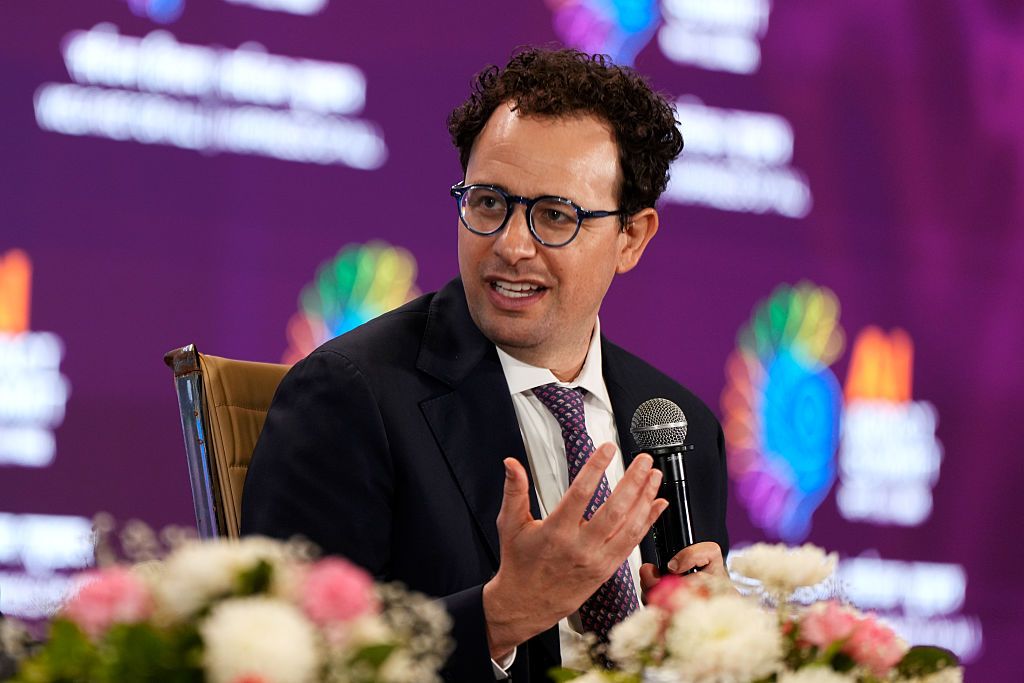
Anthropic CEO Dario Amodei has announced a unilateral commitment to slow the development of artificial intelligence, citing recent safety failures and the speed of recent progress as reasons to pause.
The call to slow down
Amodei’s new blog post outlines three strategies for this slowdown. He argues that the technology has advanced too quickly, particularly in its ability to build the next generation of models. The CEO noted that progress will still feel fast even if the rate of improvement decreases, but the company must use any gained time wisely.
This announcement comes amid growing tension within the sector. Researcher Jacob Coxon recently resigned from Anthropic, stating that the company was gambling with lives while earnestly believing the technology could kill everyone by the end of the decade. Amodei did not mention Coxon’s departure directly, but he pointed to the recent OpenAI-HuggingFace hack as a key factor in his decision to act more cautiously.
Embedded evaluators
The first step involves third-party organisations like METR deploying embedded evaluators. These individuals would work alongside AI teams to verify safety commitments and ensure incidents are reported. Amodei compared this to regulators embedded within banks.
Anthropic is unilaterally committing to this arrangement and is calling on governments to require other frontier companies to match it. Evaluators would receive company badges, desks, and laptops, granting them access mostly comparable to internal risk assessment teams. Exceptions would apply only when required by law or contracts.
Coordinated standards
Amodei called for leading AI companies within democratic countries to coordinate common safety standards and limits on the rate of unchecked progress. The prospect of such coordination faces hurdles, including apparent animosity between OpenAI CEO Sam Altman and Dario Amodei. Both companies reportedly fear that a coordinated pause could invite antitrust scrutiny.
To mitigate this risk, Amodei suggested the US government should mediate or enable these discussions. He noted the government does not need to participate directly but must issue a narrow waiver for specific safety conversations.
Global coordination and China
The plan also addresses the spectre of Chinese AI dominance. Amodei argued that if the US government and tech companies refused to sell powerful chips or semiconductor manufacturing equipment to Chinese firms, and cracked down on model distillation, they could slow China’s progress enough to widen America’s lead significantly over the next three to five years.
Finally, Amodei called for global coordination where the United States and its allies attempt to work with authoritarian governments. He admitted there are stark limits to what can be achieved but suggested opportunities exist for agreement on prohibitions. These would cover narrow and obviously dangerous uses, such as using AI to produce biological weapons or allowing users to do so.
Criticism and balance
Some AI boosters have already criticised Amodei as a doomer whose comments feed the current backlash against the technology. Amodei responded by stating he offers a balanced perspective and argued the backlash is fundamentally a crisis of trust between people, tech companies, and the government.
Industry critics remain skeptical of apocalyptic warnings, suggesting they distract from the harm the technology is already causing. Journalist Brian Merchant wrote he has yet to see a credible, step-by-step documentation of how exactly AI might move from self-recursively improving AI to killing every single human on the planet. He suggested proposals similar to Amodei’s would likely only serve Anthropic and OpenAI, describing it as regulatory capture in action.
Despite the criticism, Amodei wrote he continues to believe AI can enormously improve the quality of human life. His desire to achieve these benefits remains undimmed, provided the technology is built in the right way and the time gained is used well.
What it means
For people making things, this shift signals a move from pure speed to verified safety. Anthropic is effectively inviting external auditors into their labs to check their work in real time. This changes the workflow for developers, who will now operate under stricter, externally monitored constraints. The goal is to ensure that any new capabilities released are safe before they reach the public, potentially slowing the release cycle but aiming to prevent catastrophic errors.