Anthropic launches an API for third parties to detect Claude AI text
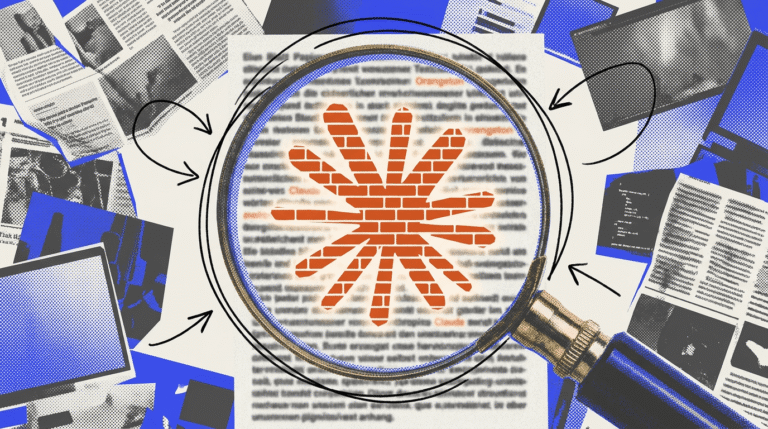
Anthropic is launching a watermark detection API that allows external developers to integrate AI text identification into their own applications.
The company relies on a variation of the SynthID Text method, originally published by Google Deepmind in Nature in 2024. This watermark modifies the randomness source during word selection, creating a traceable pattern. Anthropic states this change has no impact on the content, level of creativity, or readability of the text.
The system works less reliably on short texts or fact-heavy passages where there are few alternative phrasings. It also struggles with code. Pure corrections, where a human selected every word, will not carry the watermark either. Translations present a different scenario because Claude selects all the words there. Heavy rewriting can strip the watermark out, according to a published FAQ.
The watermark can only indicate that Claude was likely involved in creating a text. It cannot determine whether Claude wrote the whole thing or just edited it heavily, nor can it decide if a text came from a human or a different AI model.
EU regulation drives global rollout
Anthropic is adding watermarking to comply with the EU AI Act. Along with roughly 190 other signatories, the company signed the EU Code of Practice on transparency for AI-generated content in July 2026. Since there is currently no technical way to limit the feature by region, watermarking launches worldwide. Anthropic says it is exploring more options on an ongoing basis, with updates to follow.
All models released after August 2, 2025 support watermarking out of the box. Older Claude models will get the feature in the coming months. For files, Anthropic uses the open C2PA standard, which attaches metadata without altering the file itself.
Anthropic’s watermarking works differently from external AI detection tools like Pangram. Those services do not have access to Anthropic’s keys. Instead, they scan for typical patterns in AI text, such as telltale phrasing or overused words. Checking for a watermark is a fundamentally different approach and should prove more reliable in practice.
What it means
For users of creative tools, this change means detection relies on a hidden signal rather than guessing patterns. It is not a magic bullet. The system confirms AI involvement but cannot distinguish between a full generation and a minor edit, nor can it separate Claude text from other models. Verification depends on the watermark being intact, which means heavily rewritten or translated content may show as human-written even if an AI assisted the process.