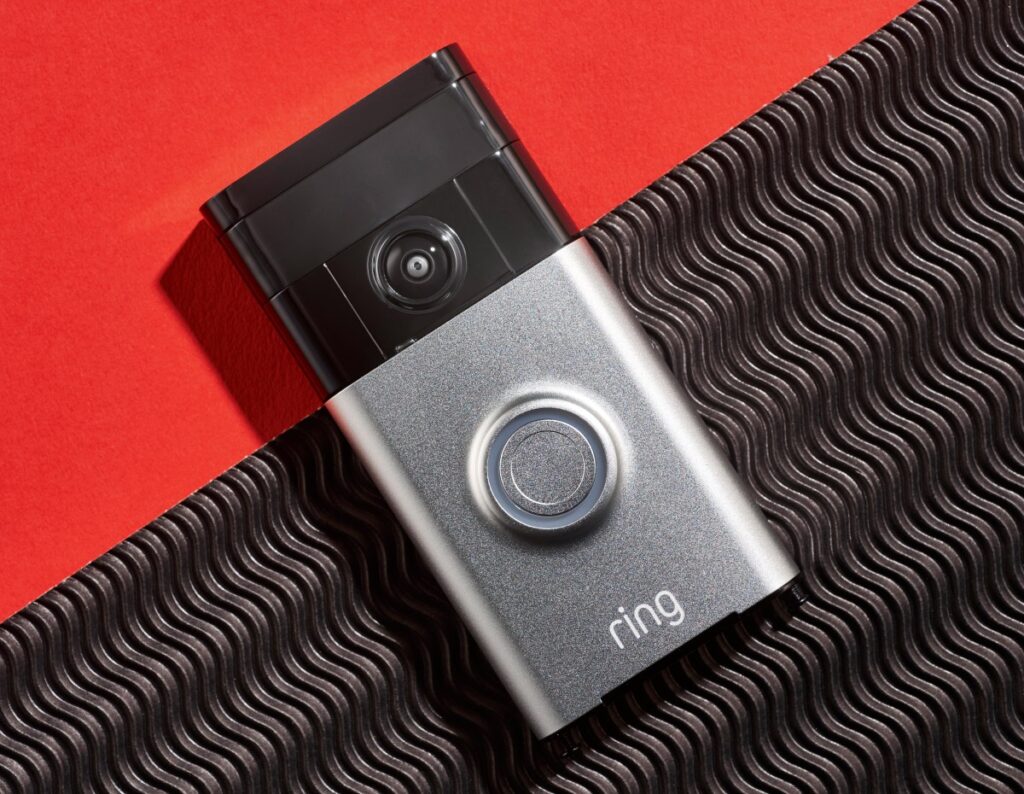
For creators and makers relying on visual data to build their own tools, the implications are stark: if Amazon can harvest unconsented facial scans from public spaces to power a doorbell, the same technology could be weaponised against artists and communities without their knowledge. The legal front has opened on this very issue.
Legal action against Ring’s Familiar Faces
Amazon found itself on the receiving end of a lawsuit on Monday, targeting alleged privacy breaches stemming from its Ring doorbell cameras. The class action suit, lodged in Seattle by Virginia resident Charles Sigwalt, argues that Ring’s Familiar Faces function archives images of passersby without their permission.
The Familiar Faces capability was unveiled by Ring last September. It immediately drew criticism from consumer protection groups such as the Electronic Frontier Foundation (EFF) and Senator Ed Markey (D-MA). Despite the backlash, the company proceeded with its rollout, launching the feature in December.
How the technology works and why it matters
The Familiar Faces tool enables Ring users to identify individuals who frequently visit their property using AI facial recognition. Consequently, when a regular visitor-be it a family member, mail carrier, or neighbour-approaches, the device distinguishes them and sends tailored alerts like “Dad is at the door” instead of the generic “A person is at the door.”
While Ring users must opt in to activate this function, privacy advocates have long argued that individuals walking past these doorbells do not consent to being scanned. This specific grievance forms the core of the current class action.
The lawsuit asserts that “Millions of other Americans passed by a Ring security camera and unknowingly had their facial recognition information collected.”
Amazon did not provide an immediate response to requests for comment. At the time of the feature’s release, the firm maintained that face data is encrypted and never shared, noting that unidentified faces are automatically purged after 30 days.
A history of privacy controversies
Amazon’s Ring division carries a history of troubling conduct regarding user privacy. In 2023, the company reached a settlement with the Federal Trade Commission (FTC) and paid a $5.8 million fine following allegations that staff and contractors had inappropriately accessed private videos from female customers. The FTC’s complaint highlighted that every employee possessed full access to every customer video, regardless of whether they required that specific footage.
Ring has also maintained close ties with law enforcement, at one point allowing police to request Ring footage from users without a warrant.
Following a Super Bowl advertisement introducing Search Party-an AI-driven feature designed to locate lost pets using Ring footage-the company encountered similar criticism. Subsequently, Ring scrapped plans to partner with video surveillance firm Flock Safety, which had reportedly supplied footage to ICE and other federal agencies. When Ring founder Jamie Siminoff spoke to TechCrunch regarding the cancellation of the arrangement with Flock Safety, he suggested the partnership would have created excessive “workload.”
Key takeaways
- A class action lawsuit filed by Charles Sigwalt alleges that Ring’s Familiar Faces feature collects facial data from passersby without their consent.
- Despite warnings from privacy advocates and Senator Ed Markey, Amazon launched the feature in December 2025, claiming data is encrypted and auto-deleted after 30 days.
- Amazon faces a pattern of privacy scrutiny, including a $5.8 million FTC fine in 2023 and a cancelled partnership with Flock Safety due to federal data-sharing concerns.
- The legal battle highlights the tension between consumer convenience in AI-driven home security and the rights of individuals in public spaces.