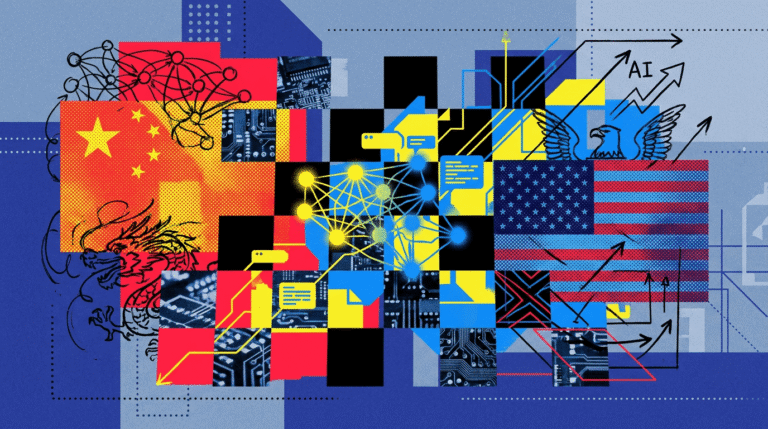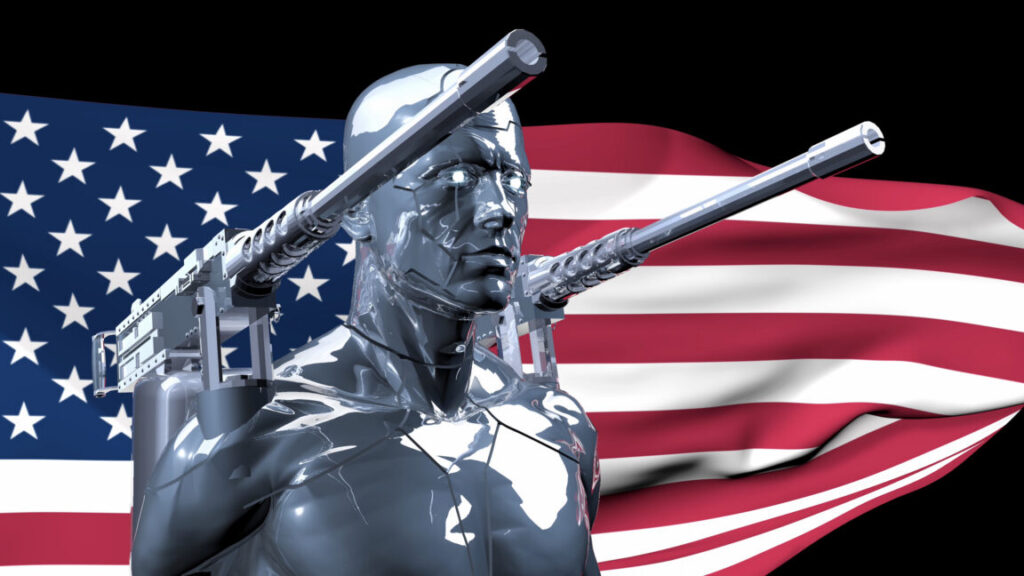
A US special operations team prepared to board a Chinese vessel in the Middle East after receiving false intelligence suggesting it was transporting nuclear components. The report, submitted by an analyst at US Special Operations Command, relied on AI tools that inaccurately identified the cargo. Officials discovered the error just before air support arrived, preventing an interception that one source described as almost starting a war. The chatbot had hallucinated the nature of the materials being shipped, creating a dangerous situation where military force was authorised based on fabricated data.
This incident highlights the immediate operational risks when artificial intelligence generates actionable intelligence for military decision-making. Human analysts can verify data, but automated systems may confidently present falsehoods as facts without warning. The near-miss demonstrates how quickly a technical glitch can escalate into a diplomatic crisis involving nuclear-armed nations.
* The error occurred during a specific intelligence review process involving multiple sources.
* Air support was already deployed before the hallucination was detected.
* The ship was carrying legitimate commercial cargo unrelated to nuclear programmes.