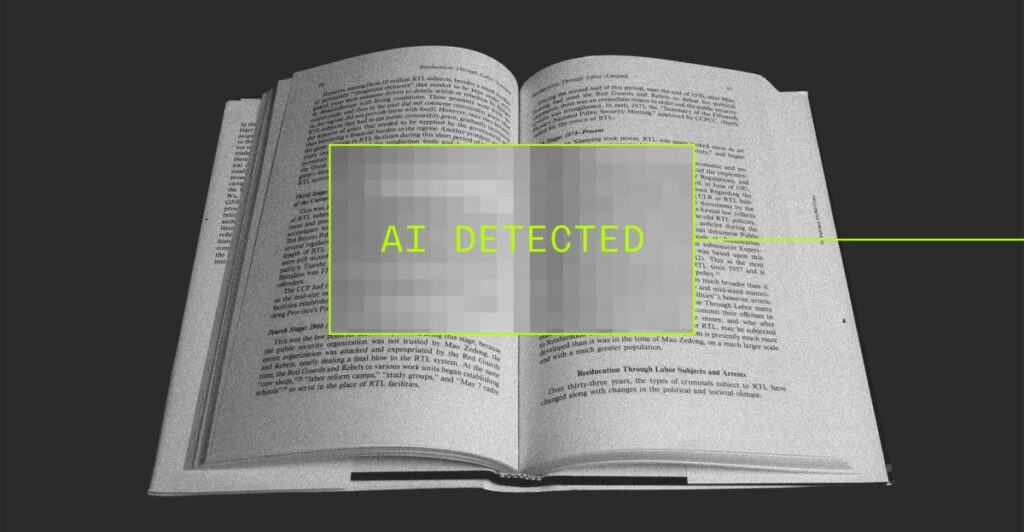
Old plagiarism checkers like Turnitin are now flagging human writing as artificial because they were trained on datasets containing AI-generated text. These systems compare submitted work against massive archives to find patterns, but the inclusion of synthetic prose has caused them to mistake natural human variation for machine output. Students and journalists face false accusations simply because their sentence structures lack the repetitive predictability that early models produced. The tools are effectively penalising writers who think clearly rather than those who copy content.
This shift damages trust in academic and professional settings where honesty is paramount. Relying on software that cannot distinguish between a tired student and a sophisticated algorithm creates unnecessary suspicion and administrative work. Institutions must decide whether to discard these specific detection features or accept that the technology is currently broken for its intended purpose.
- False positive rates remain high across major platforms
- Human writers are being misidentified as AI users
- Academic integrity policies are being undermined by flawed software