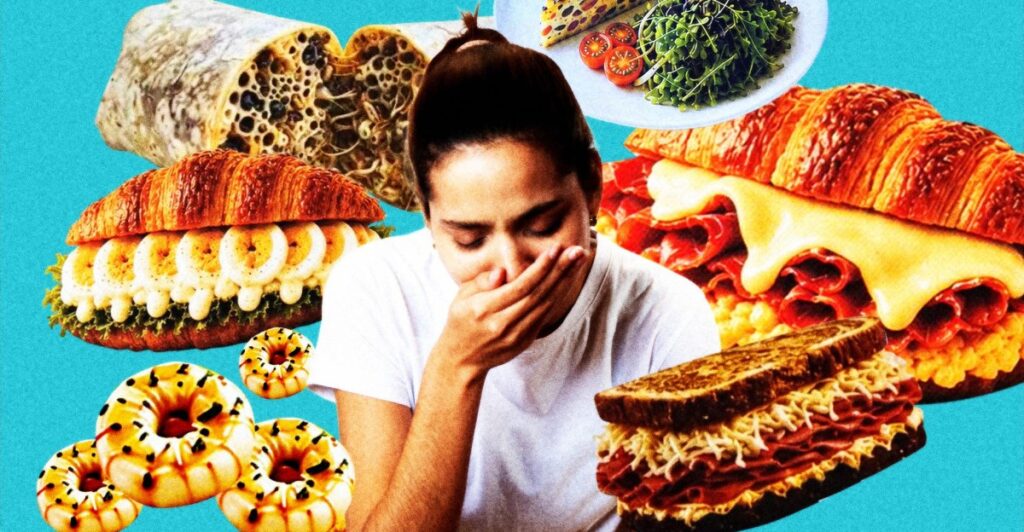
Brands and restaurants are increasingly using artificial intelligence to generate images promoting their menus, yet the output often resembles unappetizing slop rather than food. The resulting visual horror show includes donut shrimp, wormlike noodles, and stringy chicken. There is also construction material masquerading as ice cream and masonry-adjacent cuisine. The imagery features lumps and holes, with so many holes that it becomes difficult to describe the monstrous attempt of a burger or the trypophobic burrito from hell. This trend is not limited to social media experiments but extends to commercial advertising where companies rely on diffusion models to create promotional assets.
The issue matters because these images fail to convey the texture or appeal of actual dishes, potentially misleading customers about the quality of the product. When marketing visuals look like abstract art or biological hazards, they undermine trust in the brand. This disconnect highlights a gap between current generative technology and the specific requirements of food photography, where realism is essential for appetite stimulation. The reliance on these tools suggests a lack of human oversight in the creative process.
- Commercial use is already widespread across cafes and restaurants.
- Specific examples include ice cream resembling brains and noodles resembling worms.
- Human oversight is currently absent from the generation process.