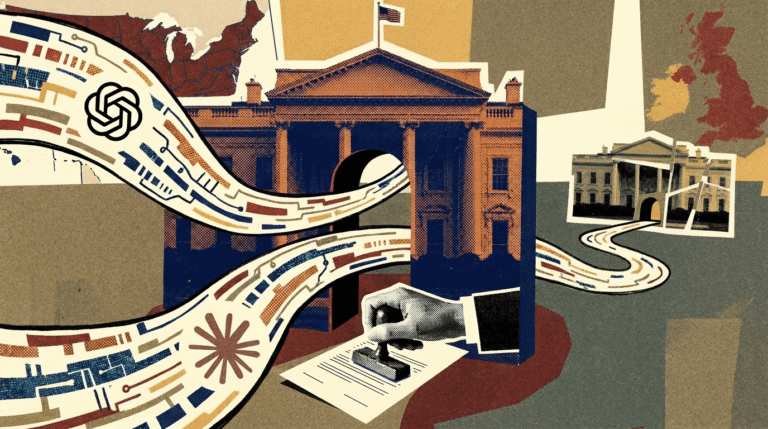
Anthropic has publicly challenged the White House regarding its new Fable model, a system designed to help the administration navigate complex regulatory landscapes. Dario Amodei, CEO of the San Francisco-based company, argued that the government’s approach treats artificial intelligence as a monolithic threat rather than a nuanced tool for policy making. This dispute emerged after officials suggested that Anthropic’s specific alignment techniques might inadvertently generate content that bypasses safety filters or misrepresents official stances. The tension highlights a growing friction between private sector developers and public sector regulators who now view proprietary models as potential vectors for misinformation. While the White House maintains that oversight is necessary to ensure national security, Anthropic insists that their technology adheres to strict ethical guidelines and serves the public interest. This conflict marks a significant shift from previous collaborations where companies like OpenAI and Google worked closely with agencies to shape policy frameworks. The situation underscores how the relationship between technology giants and the state is becoming increasingly adversarial as political priorities diverge from technical realities.
This confrontation matters because it sets a precedent for how future regulatory frameworks will be enforced across the global tech industry. If the White House succeeds in mandating specific alignment protocols, it could effectively dictate the development trajectory of frontier models, reducing competition and innovation. Conversely, if Anthropic prevails, it establishes a principle that private companies can operate with significant autonomy even when serving government interests. The outcome will likely influence how other nations structure their own AI regulations, potentially creating a fragmented global market where compliance standards vary by jurisdiction. Furthermore, this feud signals that the era of voluntary cooperation between tech firms and regulators has ended, replaced by a more confrontational dynamic where corporate strategy directly challenges state authority.
* The dispute centres on whether the White House should dictate alignment parameters for proprietary AI models used in government functions.
* Anthropic warns that rigid regulatory mandates could undermine the nuanced safety measures built into their systems.
* This conflict suggests a permanent shift towards adversarial relationships between major tech firms and political administrations.