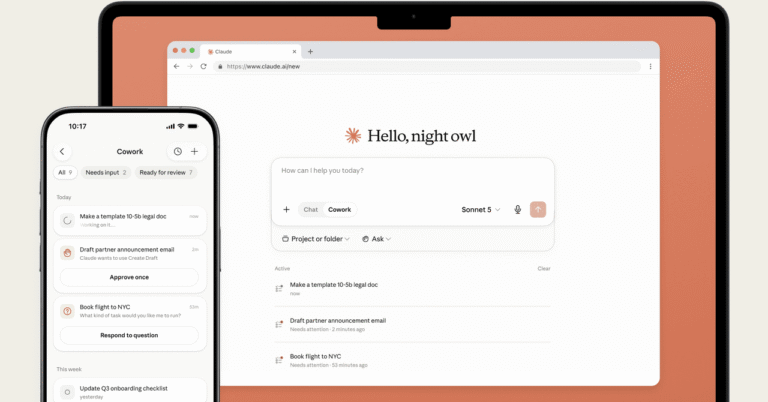
Nvidia’s Jensen Huang recently outlined a vision for a fundamentally different laptop experience, one where artificial intelligence is not a peripheral tool but the central operating system. This approach, dubbed Spark, aims to integrate local processing power directly into consumer devices to handle complex tasks without relying on cloud connectivity. The concept involves hardware upgrades, such as the new RTX Spark chips, designed specifically to run these advanced models efficiently on a single machine. While major technology firms like Microsoft and Google have also announced similar AI agents during their recent developer conferences, the prevailing narrative suggests that personal computing will be redefined by on-device intelligence rather than traditional web browsing or file management.
The significance of this shift lies in the potential to bypass latency issues and privacy concerns associated with sending sensitive data to remote servers. By moving computation to the edge, users could theoretically maintain full control over their information while accessing powerful generative capabilities locally. However, the practical implications remain uncertain, as the current hardware requirements and software ecosystems are still in their infancy. The industry’s collective confidence in this direction raises questions about whether consumers will genuinely adopt such radical changes or if these features will remain niche for power users. Ultimately, the success of this model depends on whether the promised convenience outweighs the complexity of managing new, resource-intensive software on everyday devices.
* Nvidia is pushing for laptops that act as standalone AI hubs, reducing reliance on cloud infrastructure.
* Major tech companies are converging on on-device intelligence despite mixed consumer enthusiasm.
* The transition requires significant hardware upgrades and a shift in how users interact with personal computers.