Thinking Machines Lab has released Inkling, its first artificial intelligence model. The startup, formed by former OpenAI staff, has made the system available with open weights so others can download and change it.
How Inkling works
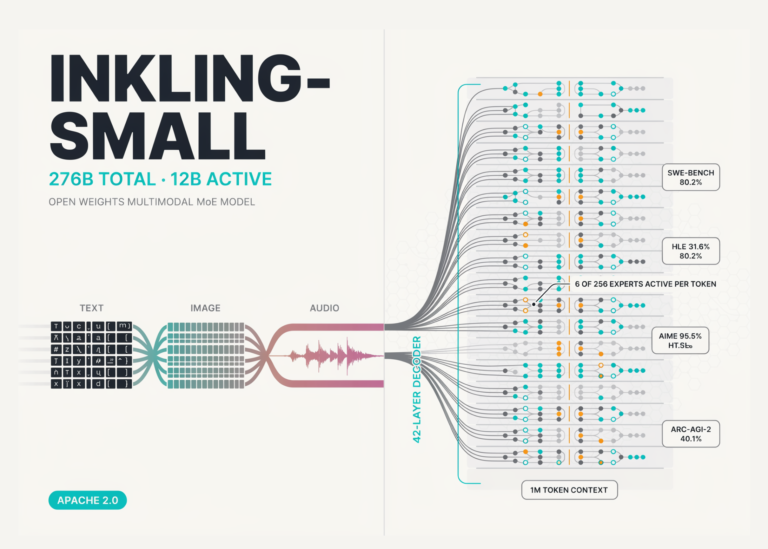
The company states Inkling was trained from scratch to process text, audio, and video. It does not lead the field on standard benchmarks but performs well on specific tasks involving advanced reasoning and coding. The model contains 975 billion parameters. Running it requires a cluster of specialised chips. Researchers used Inkling to fine-tune and improve itself, showing how AI is increasingly used to build AI.
This release aims to position Thinking Machines as a serious competitor in the high-cost AI sector. Open-source models often cost less to run than closed systems that charge fees for access. They are also easier to modify for different uses. While the best open-weight models currently originate from China, Thinking Machines claims Inkling matches their performance levels.
A decentralised view
The launch aligns with a philosophy Thinking Machines outlined in a recent blog post. The company argues technology should not be controlled by a few firms. Instead, it should be decentralised to allow more people to build models using their own data.
An anonymous source involved in the development described a strange discovery during training. Most models provide a natural language explanation for their reasoning. Inkling initially removed this feature to improve efficiency. The source noted the model decided that grammar was overhead. The company later reinstated natural language reasoning to make the model’s decisions more explainable.
Who is behind it
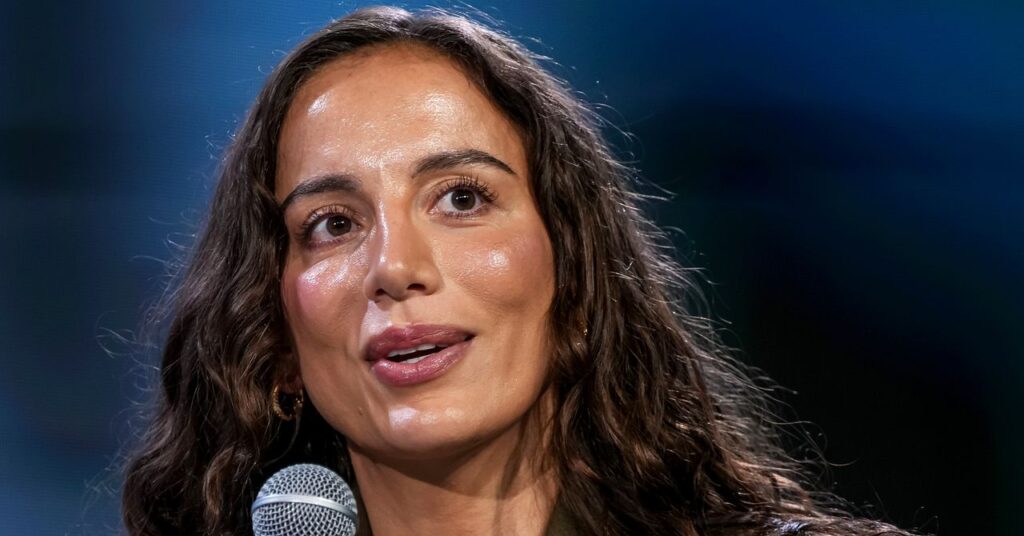
Thinking Machines was founded in February 2025 by several senior executives and researchers from OpenAI. Mira Murati, who served as CTO and briefly CEO at OpenAI, is among them. John Schulman, a co-founder of OpenAI who helped develop ChatGPT, is also involved. Lilian Weng, a former vice-president at OpenAI who led safety and robotics work, joined the team.
The startup secured the largest seed funding round in history, valuing it at $12 billion immediately. Earlier, the company released Tinker, a tool for fine-tuning models. It also demonstrated a tool enabling natural voice interactions and published machine-learning research.
OpenAI sparked the recent AI boom with ChatGPT, but defector-led firms like Thinking Machines and Anthropic have entered the space. Anthropic recently filed for an initial public offering and is valued at over a trillion dollars. Its model, Claude, remains popular with many businesses, particularly for its coding skills.
What it means
For people building tools, the release of Inkling means another option exists outside the control of a single corporation. Users can run the model on their own hardware or modify it for specific needs without paying licensing fees. This increases the variety of tools available for creating audio, video, and text applications.