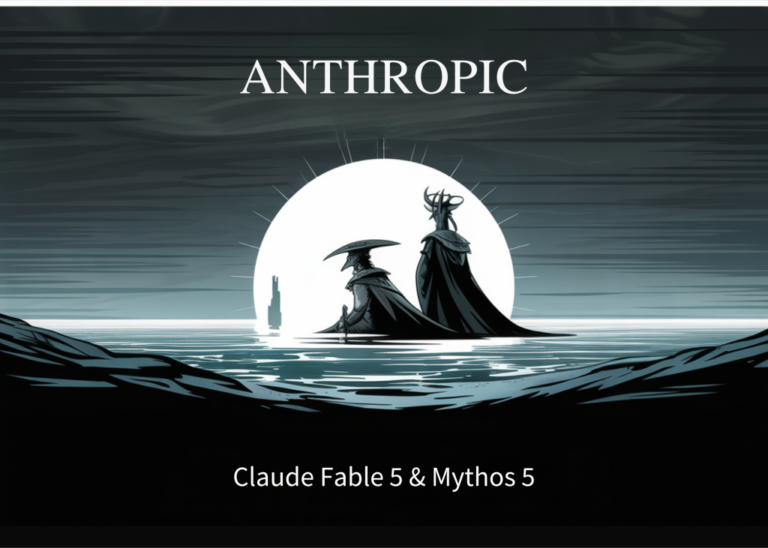
The US government recently ordered Anthropic to withdraw its Fable 5 and Mythos 5 models from public access, citing national security risks following reports that Amazon researchers successfully bypassed the systems’ safety guardrails. Cybersecurity experts have since signed an open letter warning that this regulatory action could be counterproductive, noting that similar jailbreak vulnerabilities exist across Anthropic’s other models. The move has intensified scrutiny on the strained relationship between the tech firm and the current administration, raising questions about whether the ban stems from genuine security protocols or political pressure ahead of the company’s anticipated initial public offering. Meanwhile, industry analysts suggest that restricting access to these flagship models might inadvertently stabilise investor confidence by reducing immediate regulatory uncertainty surrounding the firm’s market entry.
This incident highlights the growing friction between rapid AI innovation and government oversight, particularly when safety measures are perceived as insufficient by both regulators and third-party researchers. For developers relying on Anthropic’s infrastructure, the ban introduces significant operational uncertainty, potentially delaying projects that depend on these specific capabilities. Conversely, the controversy may strengthen Anthropic’s long-term brand positioning by demonstrating its commitment to safety, even if the current enforcement appears inconsistent with technical reality. As the sector matures, such interventions set a precedent for how national security concerns will shape the deployment of large language models globally, forcing companies to navigate increasingly complex compliance landscapes without clear guidance.
- The ban on Fable 5 and Mythos 5 creates immediate uncertainty for developers building on Anthropic’s platform.
- Security experts argue that the cited vulnerabilities are not unique to the banned models but affect the wider product line.
- The situation underscores the tension between US regulatory priorities and the commercial realities of an impending IPO.