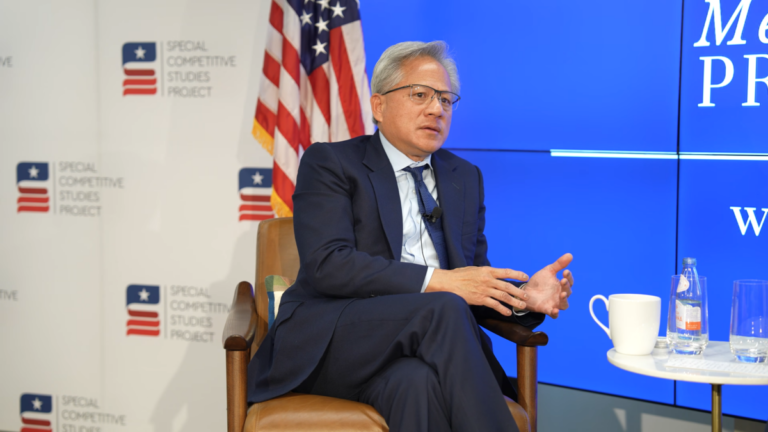
Jensen Huang, CEO of Nvidia, recently stated that a federal investigation into the company’s business practices will not impede the organisation’s ability to supply artificial intelligence hardware. This assertion comes as the United States government scrutinises whether Nvidia violated export controls by selling chips to Chinese firms, a move that could theoretically restrict the global flow of advanced computing resources.
The situation matters because the supply chain for large-scale AI training remains dependent on specific high-performance processors that few competitors currently produce at scale. Huang’s confidence suggests that Nvidia will continue to prioritise revenue generation and market expansion despite the potential for legal penalties or temporary export bans. This stance indicates that commercial imperatives are currently outweighing regulatory caution within the executive leadership. The outcome will likely define the pace of infrastructure development for artificial intelligence systems across the United States and allied nations for the foreseeable future.
- Nvidia faces potential fines up to $2.5 billion if export control violations are confirmed.
- Current restrictions already limit sales of specific GPU models to entities in China.
- Investors remain focused on quarterly revenue targets rather than long-term regulatory compliance.