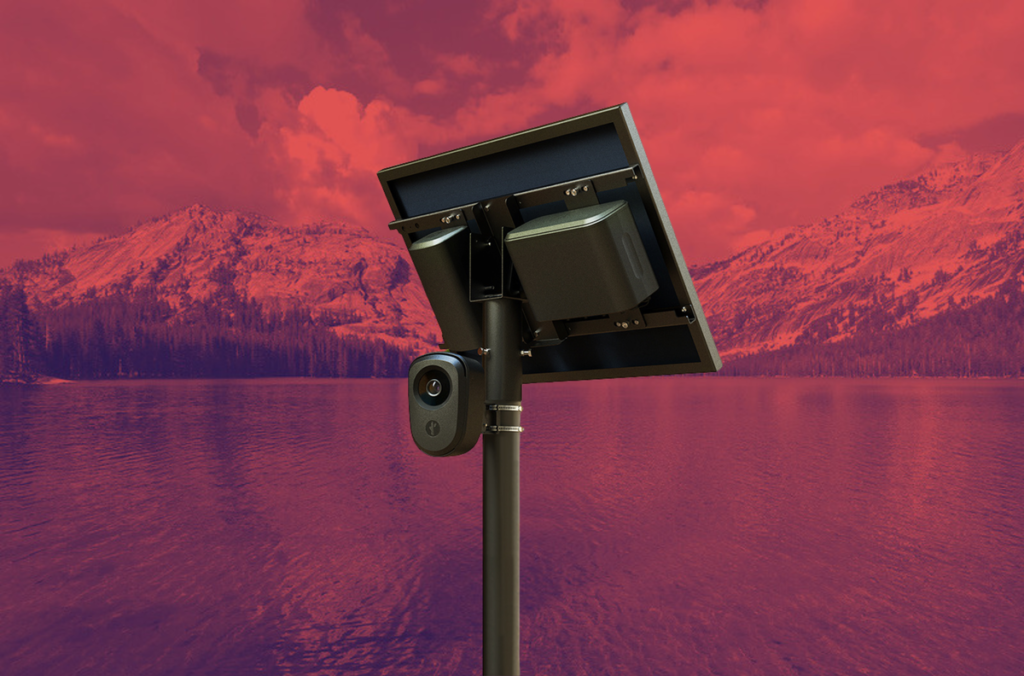
The National Park Service has installed Flock cameras at Yosemite and other sites to track vehicles.
Current and former rangers say this is a privacy violation.
A current ranger told 404 Media that the system protects property, not people or parks. They argued that visitors should be free to recreate in ways that respect the ecosystem, but the surveillance is a disrespectful invasion of privacy. 404 Media granted anonymity to the ranger and others because they were not permitted to speak to the press.
Another current ranger stated that every American should be free to visit national parks without their location being traced and tracked by the federal government. They added that wild places are at the core of American freedom and nobody should be afraid to visit them.
A former ranger said that if the public knew their public lands were being surveilled, they would push back.
Flock cameras scan the license plate, colour, model, make, and other identifying features of every vehicle that drives past. They create a timestamped record of where a vehicle was at a particular time, which identifies a person by extension. This data is available to Flock’s law enforcement customers and is usually queried by police without a warrant. Many cameras are part of a national network that other officials can query. For example, a cop in Texas might query the network to look for a specific vehicle and search cameras across the country. This, alongside increased reporting of cops abusing their access to Flock to stalk people with no legitimate investigative purpose, and local cops performing lookups for ICE, has contributed to a nationwide conversation around Flock and whether communities want the company’s cameras in their neighbourhoods.
Flock cameras are installed inside Yosemite, WBTW News 13 reported earlier this month. The outlet referenced data from DeFlock, an open source map of Flock and other automatic license plate reader locations.
There is also a Flock camera on a road towards the Golden Gate National Recreation Area, according to the data.
The NPS also plans to install cameras from Verkada, a controversial company with a history of abusing its own products and whose products sometimes have facial detection capabilities. This comes from a letter from Michael Donato, the acting deputy superintendent of National Capital Parks – East, sent to the Washington Support Office Visitor and Resource Protection Program.
“Some parks have USPP Flock cameras for license plate recognition, but for parks that don’t, the Verkada cameras will provide LPR,” the letter, which 404 Media viewed, reads.
The NPS told 404 Media in a statement: “Yosemite National Park uses a traffic-monitoring system to measure vehicle counts, travel times and entrance-station wait times. The system helps the park better understand traffic conditions and provide visitors with information to help them make informed decisions about when to visit and where parking is available. The cameras are not connected to law enforcement or DMV databases.”
One of the current rangers said that last year Yosemite changed the rules about hanging flags on El Capitan and tried to backdate the rule change to make it look like the people involved had committed a crime. They asked what happens when that sort of malfeasance is combined with the ability to track any park visitor’s location, anywhere in the country. They added that if that happens, they are no longer free in this country.
They added that they fear for the day when a visitor’s National Park experience is interrupted by being pulled over and held at gunpoint because a license plate reader misread their plate.
What it means
Visitors to public lands now face the possibility of being tracked by federal agencies and local police without a warrant. The NPS claims the data helps manage traffic, but the technology allows for cross-jurisdictional searches that rangers argue undermine the freedom of the public domain.