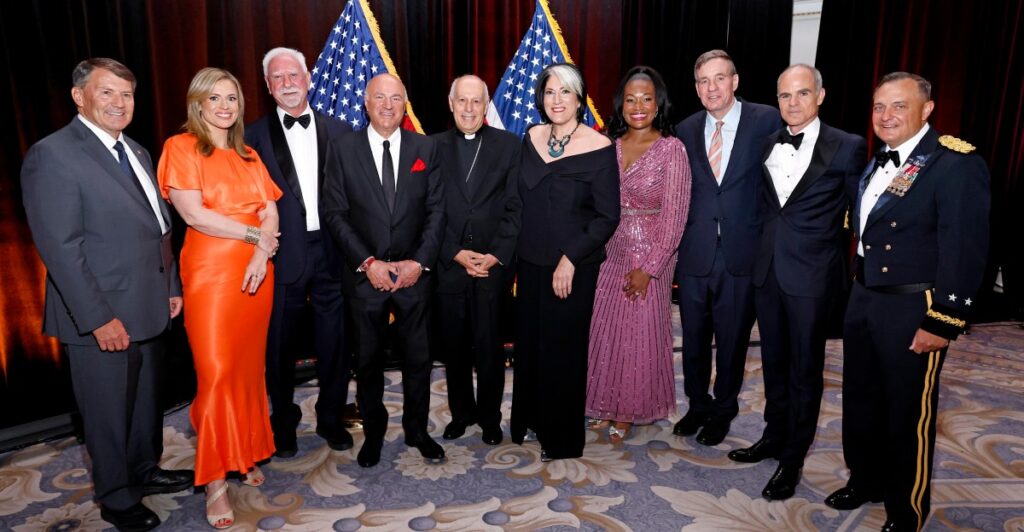
The Washington AI Network recently hosted its second annual awards ceremony, a gathering that has drawn sharp criticism for its unusual composition. The event brought together a disparate group of honorees, including senators like Mike Rounds and Mark Warner, alongside figures such as Pamela Brown, Chris Malachowsky, Kevin O’Leary, Gabriele Caccia, Tammy Haddad, Michele L. Jawando, and Major General Patrick Ellis. This mix of elected officials, corporate executives, and media personalities has sparked debate regarding the credibility of the organisation. Critics argue that the presence of industry leaders and commentators alongside policymakers blurs the lines between regulation and advocacy. The timing of the event, coinciding with the 2026 midterms, further complicates the perception of impartiality within the regulatory landscape.
This situation matters because it highlights the growing tension between independent oversight and industry influence in artificial intelligence governance. As the United States approaches critical legislative milestones, the perception of bias could undermine public trust in regulatory bodies. If stakeholders view the process as captured by the very companies it is meant to oversee, the legitimacy of future policies may be compromised. The event serves as a microcosm of broader challenges facing tech regulation, where collaboration is necessary but must not appear to be a conflict of interest. Maintaining the integrity of the regulatory framework will require clear boundaries and transparent processes to ensure that decisions are made in the public interest rather than for corporate gain.
- The Washington AI Network’s event mixed policymakers with industry figures, raising concerns about regulatory independence.
- Critics warn that such alliances could damage public trust ahead of the 2026 midterms.
- Clear boundaries are essential to prevent the perception of industry capture in AI governance.