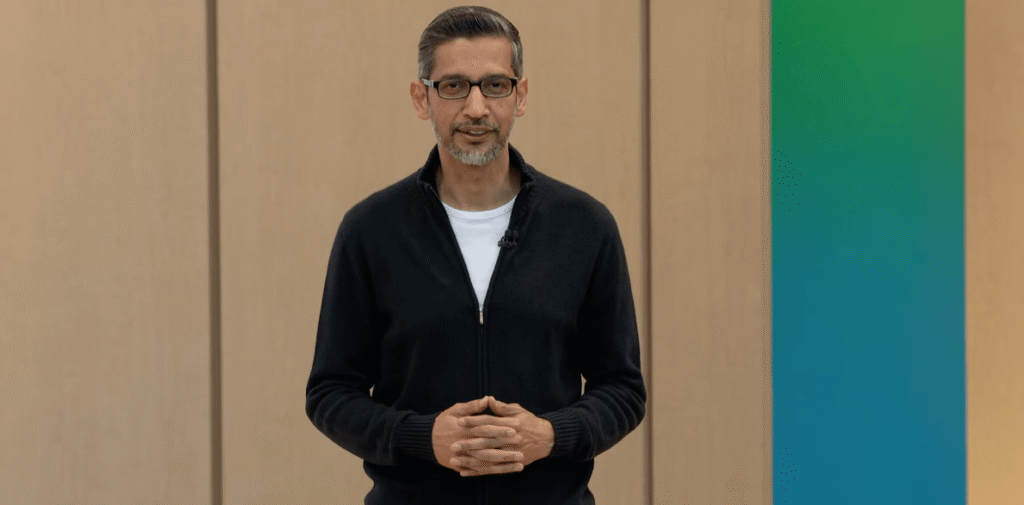
For creators and artists, the intersection of technology and ethics is no longer a theoretical debate but a frontline conflict. Sundar Pichai’s recent commencement address at Stanford University served as a stark reminder that the tools we build are inextricably linked to the geopolitical and social realities they enable. When a tech titan takes the stage, the audience now expects more than just a pitch for the future; they demand accountability for the present.
A speech met with resistance
During the weekend ceremony, the Google CEO encountered a significant portion of the graduating class in revolt. Approximately 200 students left the auditorium, while the remaining attendees loudly booed the executive. This was not a passive reception; it was an active rejection of the narrative being presented.
The core of the controversy
The unrest centred on two specific areas of corporate activity: Google’s deepening entanglement with the Israeli military and its relationship with U.S. Immigration and Customs Enforcement. The primary flashpoint was Project Nimbus, a contentious $1.2 billion cloud and AI services contract shared with Amazon to support the Israeli armed forces. Equally contentious was the company’s association with ICE.
Protest signs displayed slogans such as “ICE SPIES WITH GOOGLE AI” and “GENOCIDE RUNS ON GOOGLE.” Participants also waved Palestinian flags and chanted “free Palestine.” According to press materials linked to the demonstration, the group stated: “We are walking out because we refuse to glorify the corporations that fuel this violence and exercise our power to choose differently.”
Organisers and internal dissent
The walkout was orchestrated by several campus activist collectives, including Stanford Students for Justice in Palestine, No Tech for Apartheid, and Tech for Liberation. The friction over Project Nimbus has persisted well beyond the ceremony. In 2024 alone, Google terminated 28 employees for opposing the contract, yet internal criticism has not ceased. The Electronic Frontier Foundation has recently joined the chorus, accusing the firm and its peers of “choosing to look the other way” regarding Israel’s utilisation of their infrastructure.
Project Nimbus is not unique in its scope; Amazon backs the initiative as well. Microsoft has faced similar scrutiny for supporting the Israeli military, though the firm reportedly restricted the Israeli government’s access to its cloud services following an investigation into mass surveillance of Palestinians.
Pushback from the business community
The protest also generated a sharp response from Silicon Valley veterans. Vinod Khosla, the billionaire co-founder of Sun Microsystems and a leading venture capitalist, took to X to condemn the demonstration. He described the action as “biased, idiotic, short-sighted and very selfish,” arguing that the students were ignoring the bottom 3 billion people who could benefit from AI while prioritising their own “misinformed selfish self-interest.”
A new era of accountability
Pichai’s appearance at Stanford fits into a wider trend where speakers attempting to generate excitement about artificial intelligence have faced booing crowds. However, this incident stands out because the animosity was not directed at the concept of AI or fears of job displacement. Instead, the criticism was laser-focused on specific business decisions made by the company he leads. Younger generations appear increasingly unwilling to separate technological advancement from its ethical and political consequences.
Key takeaways
- Student activism at Stanford targeted Google’s $1.2 billion Project Nimbus contract and its ties to ICE, leading to a walkout by roughly 200 graduates.
- Internal dissent remains high, evidenced by the firing of 28 workers in 2024 and criticism from the Electronic Frontier Foundation regarding Israel’s use of Google services.
- While business leaders like Vinod Khosla defend the commercial application of AI, the protest highlights a growing divide between corporate strategy and student ethics.
- This event marks a shift from general skepticism about AI’s impact on jobs to specific, targeted condemnation of corporate partnerships with controversial governments and agencies.