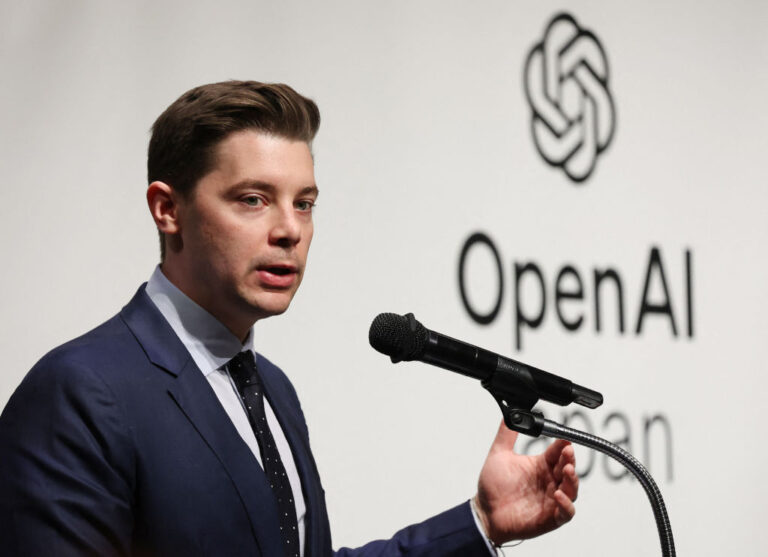
For makers and artists navigating the rapidly shifting landscape of artificial intelligence, the departure of Sriram Krishnan from the White House signals a significant change in the political architecture guiding the technology’s future. As the Trump administration moves into its final stretch, the senior policy advisor on AI is stepping down at the end of June, leaving behind a legacy defined by aggressive industry support rather than regulatory restraint.
A legacy of deregulation and industry partnership
Krishnan, a former tech executive and venture capitalist with a resume that includes leadership roles at Microsoft, Twitter, Yahoo, Facebook, and Snap, has been a prominent figure in the second Trump administration. His background as a partner at Andreessen Horowitz aligns with a broader trend of Silicon Valley elites joining the executive branch, a firm whose founders publicly backed the president during the 2024 election.
In his final statement on X, Krishnan described his tenure as a profound privilege, crediting the president’s leadership for America’s position in the global AI race. He wrote: “First and foremost, it has been an honor to serve under President Donald Trump. Without his leadership, we would not be leading in the AI race.”
Policy priorities and public accomplishments
During his time in office, Krishnan highlighted several “key public accomplishments,” chief among them the administration’s AI Action Plan. This strategy explicitly prioritized data center construction over strict regulation and safety concerns. Since that plan’s release, Trump has signed multiple executive orders, including one designed to challenge state-level AI regulations and another focusing on oversight, though the latter was delayed and narrowed following industry pushback.
The administration has also explored the controversial concept of the government taking an equity stake in major AI companies. Krishnan noted that his closest collaborator over the last 18 months was David Sacks, the investor and podcaster who previously served as the AI and crypto czar before stepping down earlier this year to become co-chair of the President’s Council of Advisors on Science and Technology. Krishnan praised Sacks’ continued advocacy, stating: “[Sacks’] continuing advocacy for America winning on AI has been and continues to be crucial.”
What’s next for the former advisor
Looking ahead, Krishnan plans to “build institutions” aimed at tackling major challenges for “America and its allies.” According to The Washington Post, he intends to launch an outside organisation that will maintain his ability to influence Trump’s AI policy. He emphasised the need for collective navigation of complex issues, noting: “Whether it is energy, data centers or a clear path for Americans to experience the benefits of AI, there are many tough issues we all need to navigate together.”
Key takeaways
- Sriram Krishnan is leaving his role as senior policy advisor on AI at the White House at the end of June, marking the conclusion of his tenure in the second Trump administration.
- The administration’s approach under Krishnan prioritised data centre expansion and industry growth, often at the expense of regulatory frameworks and safety measures.
- Krishnan’s successor plans will likely continue to favour industry collaboration, with his new venture designed to maintain influence over future AI policy directives.