SoftBank reported a quarterly loss of $7.1 billion on Tuesday, with more than half attributed to losses on power-generating equipment.
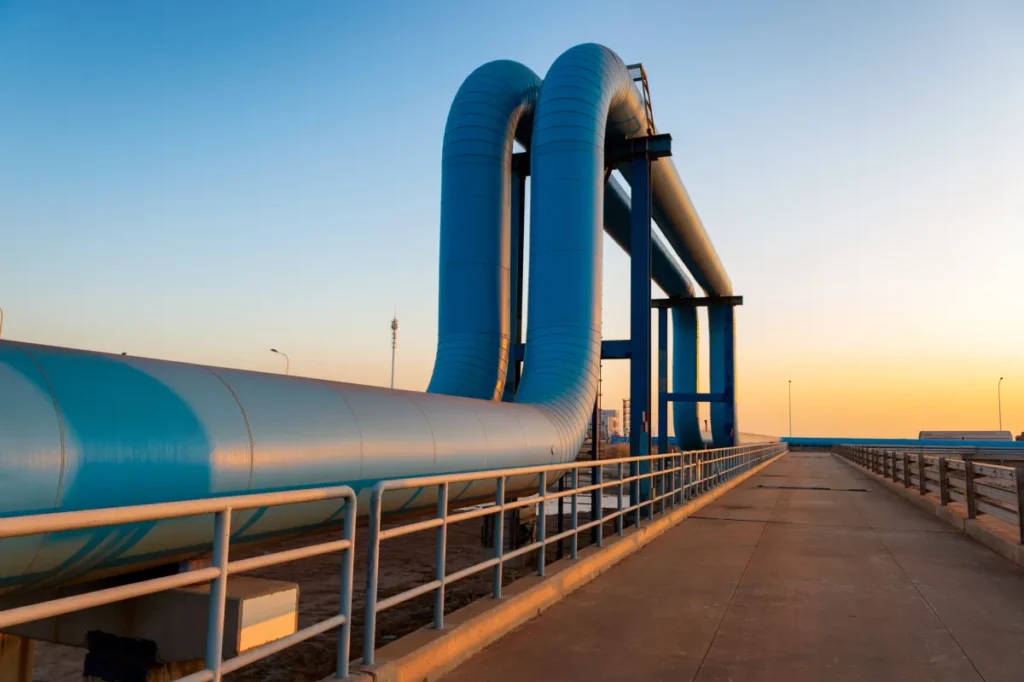
The investment firm had previously announced plans in February for its SB Energy subsidiary to spend $33 billion on a 9.2-gigawatt natural gas power plant. This followed an earlier $30 billion commitment to OpenAI in early 2025.
Starting roughly two years ago, the company reportedly placed deposits on more than 13 gigawatts of turbines. This volume represented almost 50% more capacity than the firm actually required.
The strategy was intended to secure hardware and accelerate project timelines.
“SB Energy did not have a choice except to overbook turbines in the future if they wanted some turbines right away,” Peter Gardett, CEO of Noreva, told TechCrunch via email.
The energy sector was caught off guard by the speed and scale of rising power demands from artificial intelligence. Queues for turbine orders now stretch into the early 2030s. As natural gas emerged as a preferred source for the AI boom, Masayoshi Son, CEO of SoftBank, bet that deploying his firm’s significant war chest would allow him to corner a portion of the market. His logic was that any entity wanting power for data centers would have to come to him.
That bet has now fizzled.
The investor had paid turbine manufacturers nonrefundable deposits to secure those orders. Consequently, the firm now considers much of that capital worthless.
The move was also a costly exercise in price discovery, Gardett said. Rather than overpaying and potentially still being short of turbines, SoftBank overpaid and over-ordered.
“This charge is just that price discovery finally happening,” Gardett said.
The magnitude of the misplaced bet, exceeding $3 billion, reflects the electricity mania that has overtaken the AI world. Faced with years-long waits to connect to the grid, many hyperscalers and developers turned to natural gas as a form of energy security. It is a proven and familiar option.
As AI data centres spend more time in operation, their operators are gaining a better feel for what is required to keep them running. Natural gas might seem like a safe bet, but risks remain. These include winter curtailments when supplies dip and demand spikes, according to Brent Nelson, senior managing director of markets and strategy at Ascend Analytics. Nelson told the Equity podcast on Wednesday.
In light of that, Nelson said the grid might still be the best option. Most data centres would be best served by a grid connection, albeit a smaller one than they might normally request. To make up for the shortfall, large batteries are a cost-effective choice. They would help shave peak loads or ride out requests from the utility to curtail electricity use.
Data centre operators might be coming to that same conclusion. This could lead the natural gas market to develop more slowly than SoftBank expected.
SoftBank’s natural gas-related losses are unlikely to cause a domino effect leading to mass cancellations of gas power plants. AI’s power demand appears too large for that to happen. For now, natural gas is riding high, though SoftBank may have found its ceiling.
What it means
For people building and running data centres, the immediate impact is limited. SoftBank’s internal research failures do not change customer products, account policies, or API behaviour. The firm’s decision to over-order infrastructure does not imply a shift in how external clients access services or how their privacy is handled.
The practical takeaway is that the rush to secure natural gas power may slow down. Operators might find grid connections smaller than planned, relying instead on large batteries to manage peak loads and supply cuts. SoftBank’s specific misstep highlights the risks of aggressive procurement in a constrained market, but the broader industry trend toward natural gas remains intact.