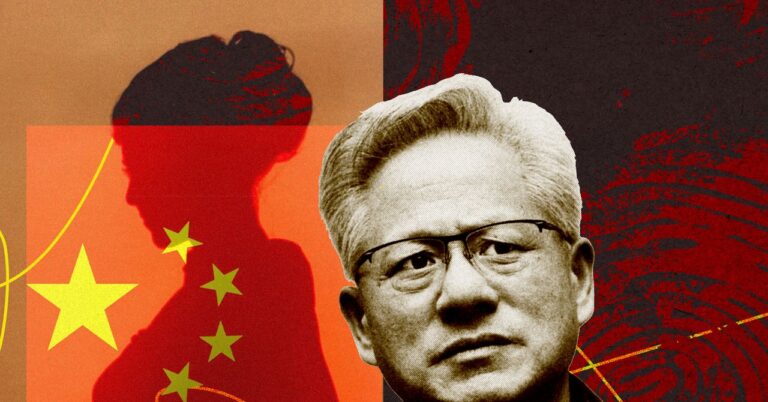
Jensen Huang has resigned as Nvidia CEO following allegations that his wife, Alice Huang, acted as an asset for Chinese intelligence services.
The scandal centres on Megaspeed, a company that built a data centre in Malaysia and sells Nvidia hardware. US intelligence believes Alice Huang may have been a conduit for Chinese firms to access advanced chips, specifically the Blackwell architecture.
Kyle Chan, a foreign policy fellow at the Brookings Institution, spoke to The Verge about the mechanics of the espionage and the wider US-China chip war. He noted that the relationship between Jensen Huang and Donald Trump is the most critical factor.
Chan suggests Beijing’s primary objective was not necessarily to steal engineering blueprints, but to gain a direct line of influence over US policy. A spy with access to the CEO allows for whispered advice in the right ears.
The chip dependency
Chinese AI firms have long relied on Nvidia hardware to train and run models. They became major contributors to the CUDA ecosystem, Nvidia’s software platform.
US export controls forced many of these companies to pivot toward domestic alternatives like Huawei. The goal was to build a supply chain resilient to Washington policy shifts.
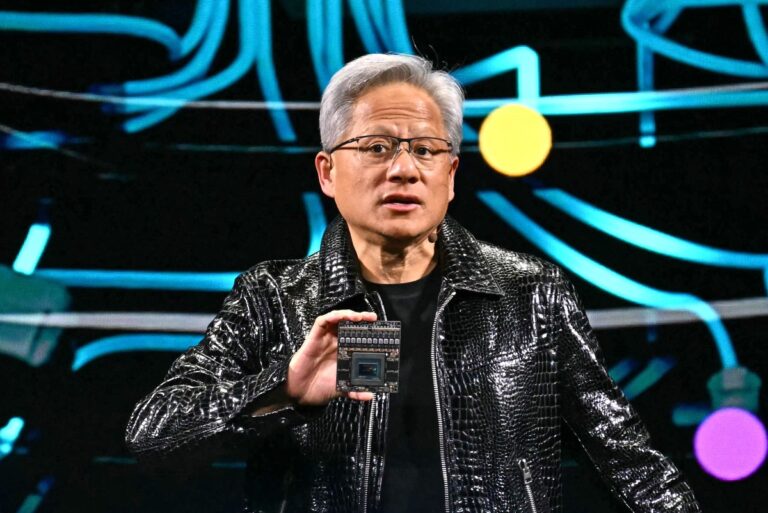
Chan states that obtaining the latest Nvidia designs would require contacting technical staff, not the CEO himself. Jensen Huang spends most of his time travelling and delivering policy speeches rather than designing GPUs.
The influence angle
The concern in Washington is that a spy could reverse the flow of information. Instead of China stealing data, the worry is that Beijing could use the connection to sway US export controls.
Jensen Huang advocates for loosening restrictions on his own chips to enter the Chinese market. He can reportedly call Donald Trump on his cell phone at any moment, even during conferences.
Chan argues that Beijing might not need a spy to get chips or influence policy. Nvidia is already pushing for those outcomes commercially.
However, if the goal was simply visibility into the situation, recruiting an insider makes sense.
Timing and deniability
US intelligence agencies flagged the issue a year ago. A memo from Marco Rubio to the Trump administration warned about Alice Huang and her ties to Jensen Huang.
Chan describes the lack of immediate action as one of the most worrying aspects of the scandal. He insists that a full investigation is necessary to understand what is happening.
What it means
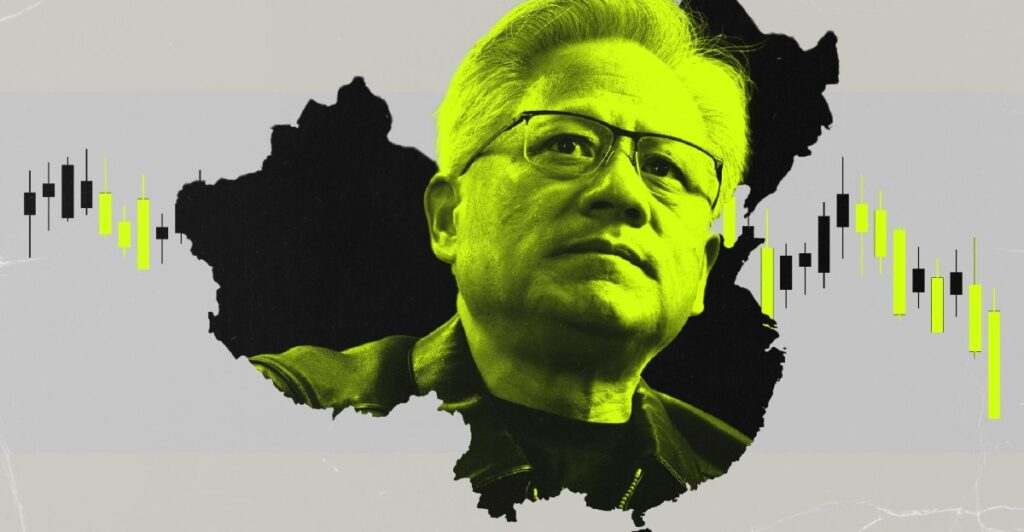
The resignation of Jensen Huang creates immediate uncertainty for Nvidia’s leadership structure. The company has roughly 60 direct reports, and the entire AI financial ecosystem flows through its operations.
For the industry, the event highlights the fragility of the current geopolitical arrangement. It confirms that the conflict over AI chips is driven as much by political access as by technical superiority.