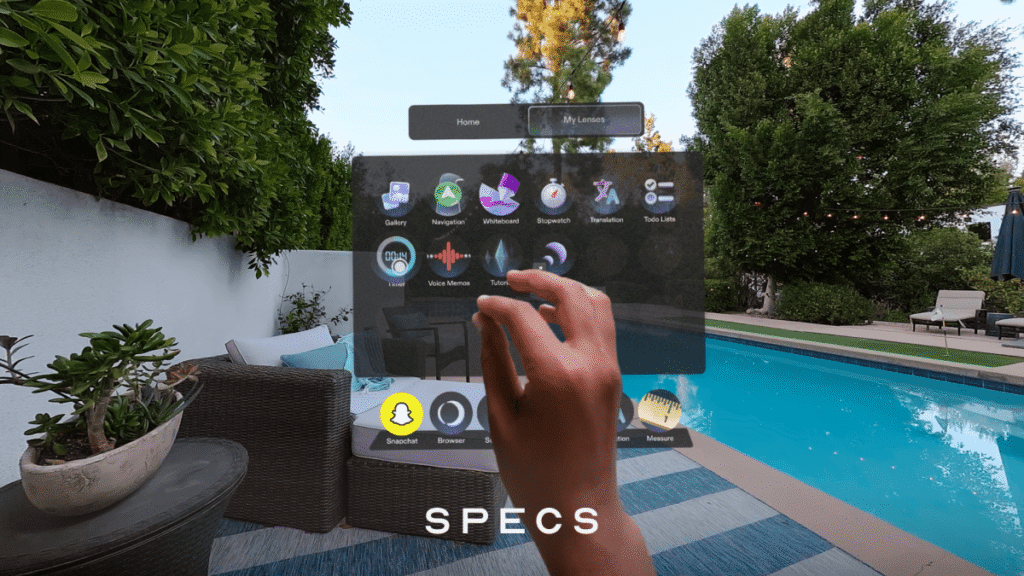
Snap is trying to sell its $2,200 smart glasses again after the product launch earlier this year was widely panned. The Specs, described by some as resembling scuba gear, drove the company’s share price down and prompted calls for CEO Evan Spiegel to step down.
At an event in Los Angeles this week, Snap executives attempted to explain why the hardware deserves to exist. The pitch focused on new software updates designed to integrate the device into daily digital routines.
Spiegel’s pitch
After a promotional video that resembled an altered state, Spiegel demonstrated the new capabilities live. The updates include access to HBO Max and Spotify, offering a baseline of entertainment that the glasses previously lacked.
The primary announcement was Specs Intelligence. This system acts as an anticipatory AI tool that works with the glasses but also with user devices like iPhones and Macs. Snap claims it builds an understanding of a user’s goals, priorities, and relationships based on connected apps. The goal is to help people focus on immediate tasks while making progress on longer-term objectives.
Spiegel described it as an AI native operating system designed around projects. It aims to connect data across Lenses, the company’s term for augmented reality camera effects available on both phones and the Specs. In practice, the system functions more like a productivity application than a feature exclusive to the glasses.
Specs for Enterprise
Another new offering is Specs for Enterprise. This program allows the device to be integrated into corporate workflows. Snap announced partnerships with Amazon, Salesforce, and Nvidia to make the hardware useful for staff at those companies.
The stated utility appears to be for IT technicians. A demo video showed a technician repairing hardware with the assistance of the glasses. Spiegel noted the company is building mobile device management and security controls to bring peace of mind to IT departments.
Other features were less clear. One new experience is an app developed with the NBA and WNBA that allows users to practice basketball and improve their shooting using AR. It is unclear if anyone will wear heavy goggles on their head to play sports.
A new connectivity package is available for users who need to use the glasses away from Wi-Fi. The package includes a charging case with built-in cellular connectivity sold separately. Verizon customers pay $10 a month, while non-Verizon customers pay $20 a month.
What it means
Spiegel framed the Specs as a human-centric way to engage with computing. He stated that the future should not involve making people irrelevant or replacing the real world with virtual ones. He argued that computers should make people more important, not less.
Snap continues to justify the high cost by characterizing the device as a computer you wear on your face. The company plans to host a pop-up in Los Angeles in October before the devices ship later this fall.