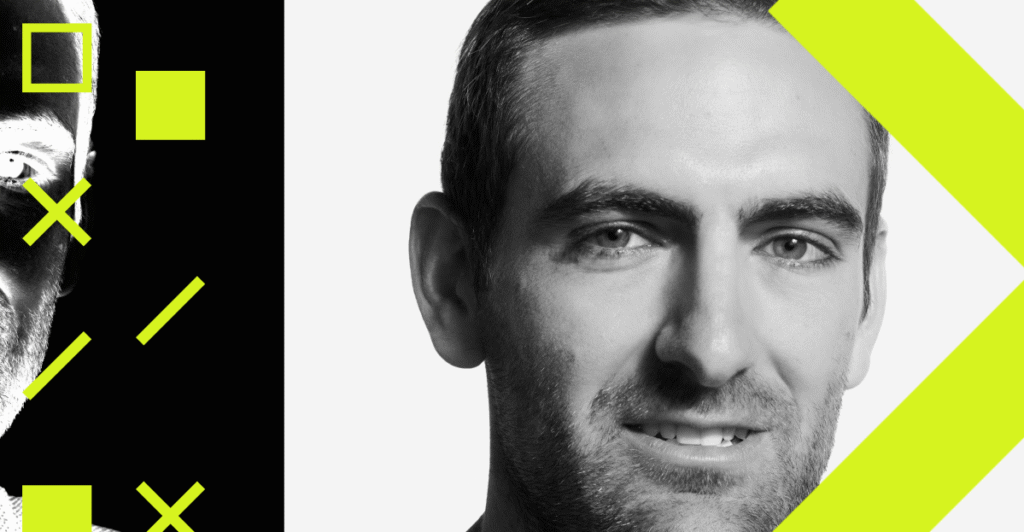
For creators and artists, the latest shifts in drone technology mean a new frontier for autonomous tools that can operate without direct human piloting. Adam Bry, CEO of Skydio, argues that while military applications draw attention, the real impact lies in enterprise solutions that handle high-risk physical operations. These are the machines that allow utility companies to inspect critical infrastructure remotely, a capability that was previously impossible.
The shift from toys to industrial assets
The drone landscape has undergone a radical transformation in recent years. Bry recalls the early days of radio-controlled airplanes as recreational toys before they were adopted for professional use. The industry moved quickly from simple flight control to adding cameras for cinematography and real estate. Now, the focus has shifted to autonomy.
“The next chapter is about autonomy, where the drone lives in a docking station, is connected to the internet, can be flown remotely and autonomously, and is a piece of infrastructure itself,” Bry explained. He notes that the impact of this transition will be orders of magnitude greater than the previous eras of camera integration.
However, this evolution requires a solid foundation. Bry emphasises that before a company can focus on enterprise software integrations, it must master the core aerospace engineering. “If you want to be a good drone company, you need to be a world-class aerospace engineering organization across 10 or 15 different disciplines,” he stated. Only once a system is reliable and capable can it be integrated into complex workflows like 911 dispatch or energy utility incident management.
Technological leaps in flight capability
For the average user, the progression of drone technology has been subtle but profound. Bry breaks down the evolution from raw manual control to intelligent autonomy.
- Manual Control: Early drones relied on raw stick inputs directly mapped to motors or servos, requiring significant pilot skill.
- Attitude Control: The introduction of microprocessors and inertial measurement units allowed for basic stability, making quadcopters flyable for the first time.
- GPS Position Hold: This feature allowed drones to hover at a fixed location without expert piloting, making them accessible to a wider audience.
- Computer Vision: The current frontier involves onboard AI using visual information to make intelligent decisions, such as avoiding obstacles or tracking subjects without relying on GPS.
Bry notes that Skydio pioneered the use of computer vision to enable these capabilities, allowing drones to operate in environments where GPS signals are weak or non-existent.
Manufacturing challenges and the enterprise market
The current market is defined by significant disruption. The Trump administration’s ban on foreign-made drones late last year effectively removed inexpensive DJI products from the US market. This left Skydio as the primary alternative for many users seeking reliable equipment.
Bry highlights that while consumer drones are no longer the main focus, the enterprise market remains vast. Skydio serves critical industries including public safety, militaries, energy utilities, construction, and transportation departments. The common thread is the need to place sensors in specific locations at specific times to improve outcomes in high-risk scenarios.
Regarding the reality of manufacturing in the US, Bry acknowledges the challenges but maintains that the US remains the largest drone manufacturer in the sector. He insists that the value lies not just in the hardware, but in the end-to-end solutions provided through software, autonomy, and industry-specific integrations.
AI, military applications, and red lines
The conversation inevitably turns to artificial intelligence and its use by defence organisations. Bry addresses the controversy surrounding military AI, stating that Skydio’s approach aligns with bringing better information to decision-makers. He rejects the idea of Silicon Valley drawing arbitrary “red lines” on how autonomous technology is deployed.
Instead, Bry focuses on the practical application of AI to expand the workforce. He expressed excitement about using AI to bring more people into the industry as the company grows, suggesting that automation enhances human capability rather than replacing it entirely.
Key takeaways
- For makers and artists, the future of drones lies in autonomous infrastructure that operates independently, moving beyond simple flight control to intelligent, sensor-driven workflows.
- The removal of foreign competitors due to trade bans has consolidated the US market, making domestic manufacturers like Skydio essential for critical infrastructure inspection.
- Skydio rejects the notion of strict “red lines” for military AI, arguing instead that the technology should serve to enhance human decision-making and expand the available workforce.
- True innovation in the sector requires world-class aerospace engineering as a foundation before enterprise software and data solutions can be effectively delivered.