Shopify launched Canvas on Thursday, a new tool allowing merchants to construct online stores through conversation with an AI assistant.
The previous no-code builder required users to select a theme and manually rearrange modular sections. Deeper customisations previously demanded code edits or developer intervention.
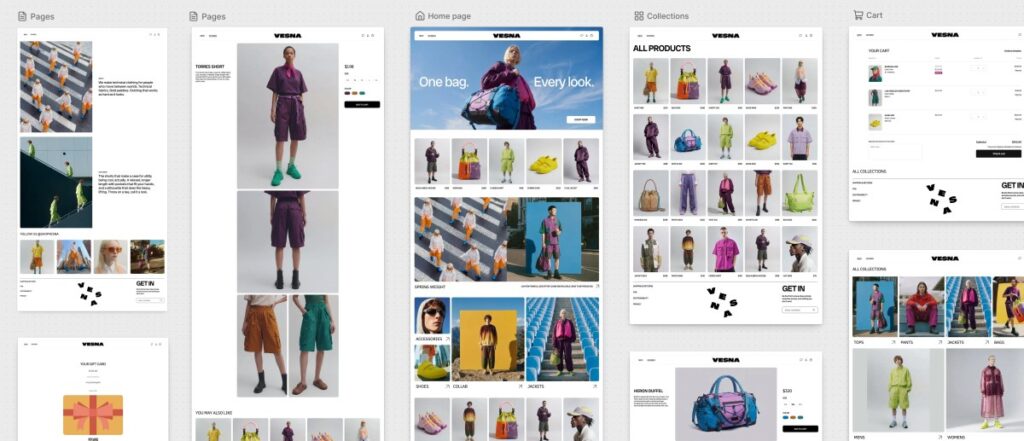
Canvas changes this dynamic. Merchants instruct Shopify’s AI agent, Sidekick, to build the site. As the AI applies changes, the interface updates in real time. Users can view the overall layout or zoom in to inspect specific details.
This is not a static preview. Shopify states the system renders the actual code powering the store. This allows testing of full interactivity and animation. The tool also displays pages as they appear on various screen sizes. Sidekick captures screenshots of the work to maintain visual consistency with the merchant.
The launch fits a wider trend where website creation no longer requires direct coding. It joins AI-powered builders from Wix, Squarespace, Webflow, and Framer, alongside vibe-coding platforms like Lovable and Replit.
Users can still click elements for direct adjustments. However, the intended workflow relies on telling Sidekick what to do via chat.
Sidekick is not a new entity. It previously wrote code, built apps, customised themes, and performed other edits. This release consolidates those capabilities into a full site-building product. Users can now view the entire store, zoom, and pan while editing the actual site files.
Shopify enabled this by giving Sidekick direct access to theme files and simplifying the theme architecture. This makes the store’s structure, logic, and design easier for the AI to understand and modify.
The product is in its early stages and requires further expansion. However, Canvas could lower the barrier to becoming an online seller for those without budgets for developers or the time to learn to code.
What it means
For people running businesses, the shift is from assembling blocks to describing a vision. The technical overhead of managing theme logic drops away, provided the AI understands the request correctly. The ability to see live, interactive code rather than a mock-up means the final product is more reliable before launch.