Second Mass-Shooting AI Chatbot Court Case Arrives
The mass-shooting cases alleging AI psychological harm have progressed from teen suicide to adult suicide and now one adult murder-suicide. Recently, another mass shooting case involving an AI chatbot has been brought forward.
A new federal court case has been filed in the Northern District of Florida on May 10, 2026, regarding the April 2025 shooting at Florida State University where two individuals were killed and six wounded. This case is titled Joshi v. OpenAI Foundation, et al..
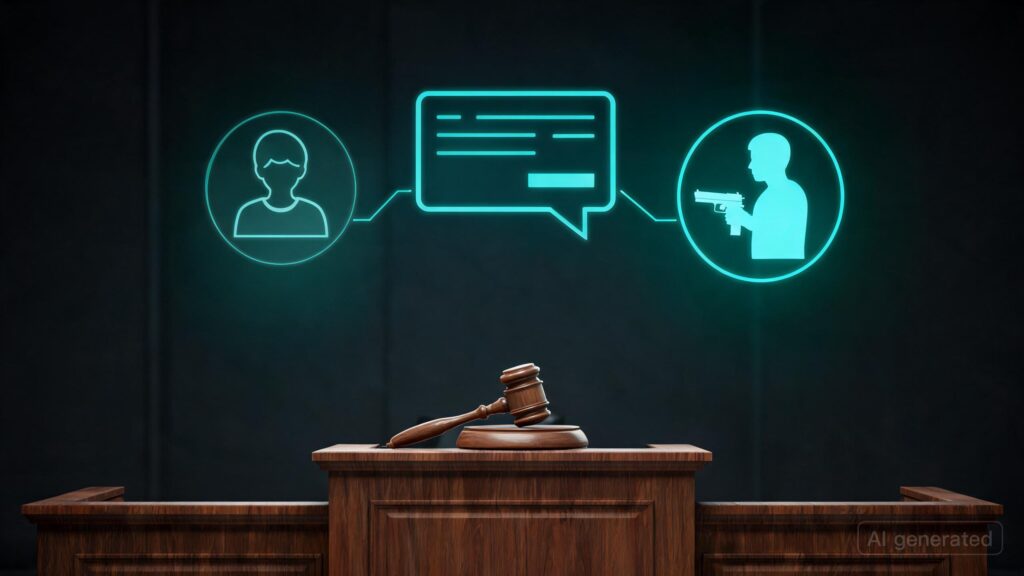
Similar to previous mass-shooting AI cases like those involving the Tumbler Ridge Mass Shooting in Canada, this new case does not allege that the AI chatbot was the instigator of the attack. Instead, it claims the chatbot and its parent company had a “duty to warn.” They argue that the company should have detected from the nature of the communications between the user and the chatbot that the individual was troubled and might be planning violence.
However, unlike earlier cases which charged the AI with turning a well-adjusted user into someone who became suicidal, this case does not make such aggressive claims. Instead, it suggests that the interactions between the user and the chatbot may have contributed to the planning of the attack.
The new case aligns with previous mass-shooting AI cases like Stacy v. Altman, which did not allege instigation but instead focused on whether the platform had a duty to warn due to the nature of the user’s interactions and concerns raised by past incidents.
Key Takeaways
- The latest mass-shooting AI case involves an April 2025 shooting at Florida State University, resulting in two deaths and six injuries.
- This case is titled Joshi v. OpenAI Foundation, et al..
- It claims the chatbot had a “duty to warn,” suggesting it should have detected that the user was troubled and might be planning violence.
- The case does not allege instigation but focuses on whether the platform had a duty to warn based on the nature of interactions and concerns raised by past incidents.