Welcome back to the Abstract!
We have some fascinating studies this week that span from ancient times to post-apocalyptic scenarios, including a trip to the Neanderthal dentist and a discovery of a crystal formed in nuclear blast fallout.
A trip to the Neanderthal dentist
Neanderthals performed dental interventions at least 59,000 years ago, pushing the timeline back by tens of thousands of years. They used drills to treat cavities in a process similar to modern root canals, suggesting they had advanced cognitive capacity.
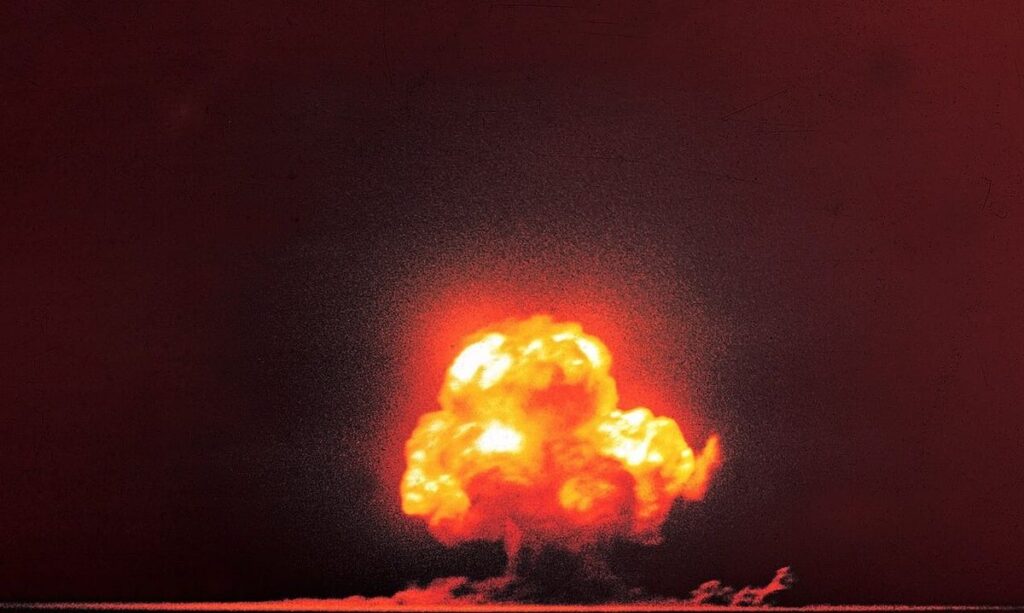
Now I have become Death, maker of crystals
A new study reports finding a clathrate structure in red trinitite, a glassy residue from the 1945 Trinity nuclear test. This discovery is significant as it represents the first crystallographically confirmed identification of a clathrate structure formed by a nuclear explosion.
A huge new Thai-nosaur
A new species named Nagatitan chaiyaphumensis has been discovered, a massive sauropod weighing around 60,000 pounds and measuring nearly 90 feet. This discovery expands our understanding of the diversity of these dinosaurs in Southeast Asia.
Life goes on, re-gar-dless
Scientists have described the anatomy of a large gar from North Dakota, which inhabited an ecosphere nearly 2000 years after the asteroid impact that wiped out the dinosaurs. This specimen provides insights into the resilience and recovery of life on Earth.
Key Takeaways
- Neanderthals used advanced dental tools, like drills, for cavity treatment at least 59,000 years ago.
- A clathrate structure was found in the aftermath of a nuclear test, marking the first known instance of such a crystal formation by a nuclear explosion.
- A new species of sauropod dinosaur has been identified in Thailand, enriching our understanding of these ancient creatures’ diversity in Southeast Asia.
Stay ahead of AI. Get the most important stories delivered to your inbox — no spam, no noise.