When your boss denies the strategy document written by his own team
For creators and makers building AI tools, the recent clash between Microsoft’s leadership and its internal strategy documents offers a stark lesson in corporate dissonance. The company is currently trying to distance itself from a plan to make users dependent on its new AI assistant, Scout, even though the very executive leading the project authored that plan.
The disconnect at the top
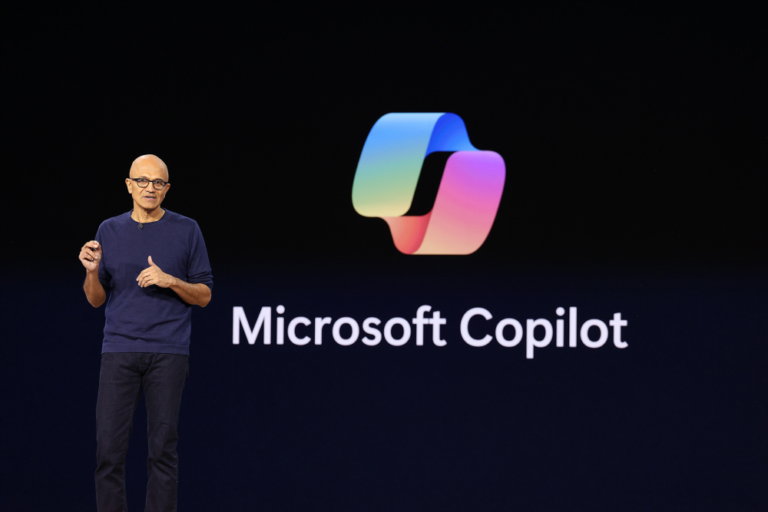
Following our initial report on an internal memo outlining a strategy to make users “addicted” to Scout, CEO Satya Nadella issued a memo to staff expressing confusion. He stated he was “not sure what this document is or who is writing and leaking this nonsense,” according to a message obtained by The Information.
This denial comes despite the fact that the document was not a random leak. As we reported, the strategy was drafted by Microsoft executives Omar Shahine and Jakob Werner, with the text itself noting it was “co-created turn-by-turn with AI” and verified by humans. The document explicitly lists Shahine as a primary author.
Shahine is the Corporate Vice President leading the Scout project. He has personally chronicled the product’s development on his blog, LinkedIn, and Microsoft’s official channels. By claiming ignorance of a document signed by his own leadership, Nadella has highlighted a significant gap in awareness regarding how the company’s flagship products are actually being steered.
The “addiction” strategy in plain English
The leaked phase one plan for Scout, previously known internally as ClawPilot, was bluntly direct about its objectives. The strategy aimed to:
- Make people addicted to the service
- Continue shipping the standalone ClawPilot experience
- Pilot the user experience and grow the user base
- Build an ecosystem of skills and tools that creates daily dependence
Nadella’s rebuttal to his staff was equally emphatic. He declared that making people addicted was “absolutely a non goal,” insisting instead that the company wants AI to empower humans and drive economic growth. He threatened that the employees responsible for such thinking “may want to go work elsewhere.” He also linked to an article from Futurism aggregating our original report.
A pattern of evasion
When asked for comment by The Information, a Microsoft spokesperson said Scout is for “helping people accomplish tasks more effectively-not encouraging dependency,” adding that the goal is “more time back,” not more screen time. Crucially, this response was not given to our publication.
Before publishing our piece, we contacted Microsoft specifically regarding the “addiction” language in the strategy. We were not met with an explanation or context; instead, the company ignored our specific questions and simply provided a link to the public product announcement. The internal and external pushback against our reporting suggests a defensive posture rather than transparency.
Final thoughts
If Nadella is truly looking for the person responsible for this strategy, he might start by reading the documents his own company produces or speaking directly to the executive who created them. The narrative of a CEO unaware of his own team’s plans is an uncomfortable one for any major tech organisation.
Key takeaways
- Satya Nadella publicly claimed ignorance of an internal strategy document calling for user addiction, despite it being authored by his own executive, Omar Shahine.
- The leaked plan for Microsoft Scout explicitly aimed to build daily dependence through a standalone experience and a growing tool ecosystem.
- Microsoft refused to engage directly with our publication regarding the “addiction” language, instead deflecting to public announcements and attacking the report internally.
- This incident highlights a potential disconnect between Microsoft’s public messaging on human empowerment and the aggressive retention tactics outlined by its product leaders.