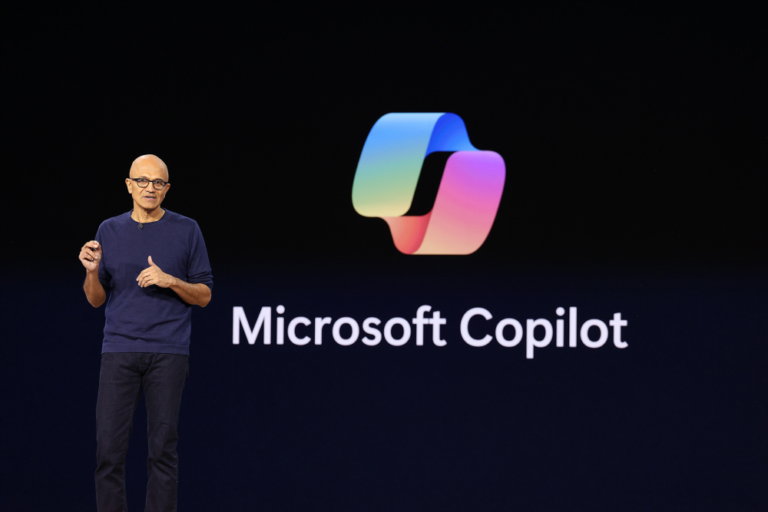
Microsoft CEO Satya Nadella has publicly acknowledged his own habit of “token-maxing,” describing the uncritical use of advanced AI models for every task as addictive. In a recent interview, he warned that the marginal cost of productivity improvement must match the marginal cost of the token, arguing that frontier models should not be wasted on everyday problems. Nadella contends that relying solely on these powerful tools without strategic intent will not drive real economic growth, even as he admits to falling into the same trap as many others. This admission comes despite his own company building systems designed to consume vast amounts of computational resources to generate code and manage complex workflows.
The significance of this statement lies in the shift it signals regarding the future of software engineering and economic value. While Nadella envisions a future where developers oversee hundreds of AI agents rather than writing code manually, he emphasises that this role demands deep “cognitive coverage” of agent-generated work. This transition requires a rigorous computer science education to understand the underlying logic, even if the manual typing of syntax disappears. The admission highlights a critical tension between the allure of immediate AI capabilities and the need for sustainable, cost-effective deployment strategies in enterprise environments.
- Nadella warns that using top-tier AI models for trivial tasks fails to generate genuine economic value.
- The future workforce will focus on cognitive coverage of code written by autonomous agents rather than manual coding.
- Effective AI integration requires matching the high cost of tokens with proportional productivity gains.