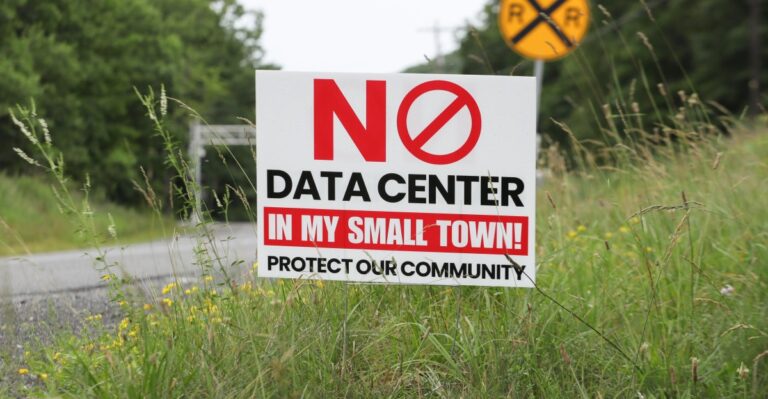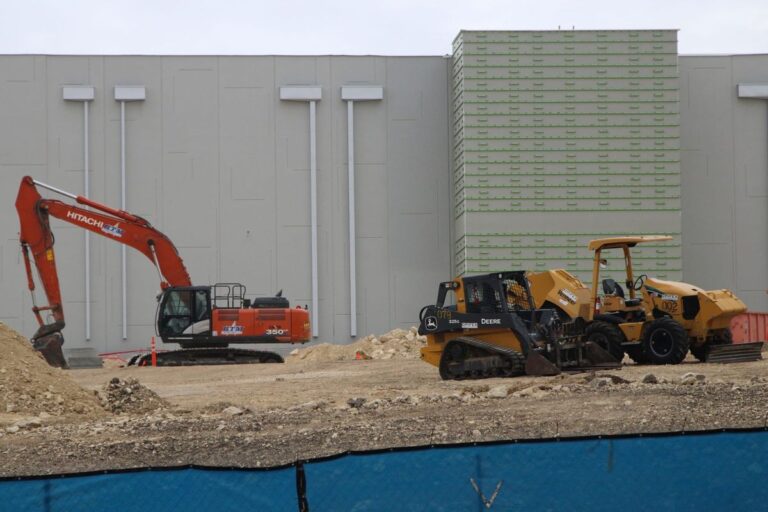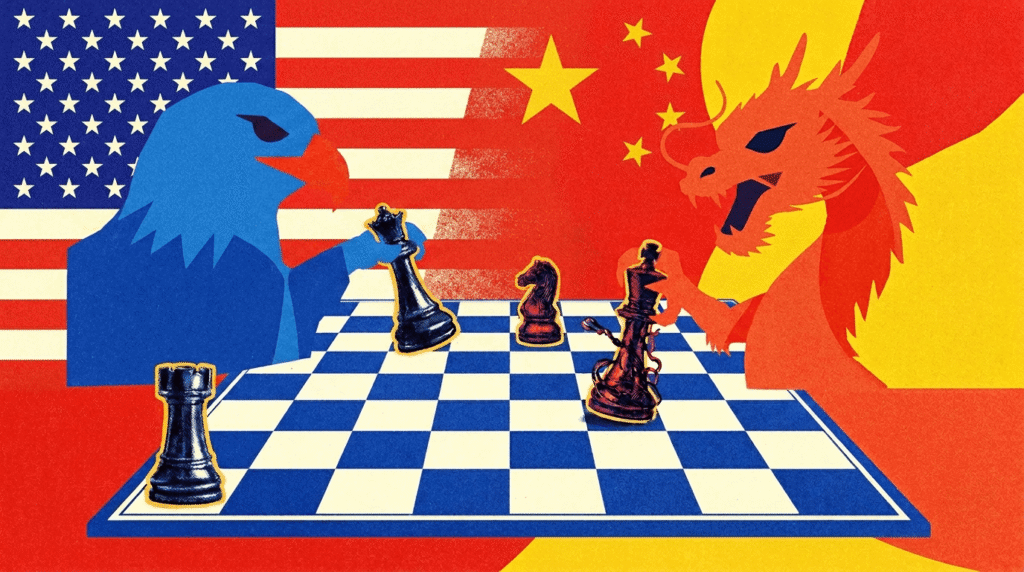
President Trump stated on Truth Social that American communities rejecting AI data centers would become backwards and poor. He argued that China could not be happier with this anti data center movement because a slowdown in US buildout would give Beijing an advantage in the AI race. A Gallup poll from March showed that 71 percent of Americans oppose having these facilities built near their homes. Residents worry about rising electricity costs, noise, and heavy water usage. According to the research group Data Center Watch, grassroots campaigns blocked or delayed at least 75 projects worth roughly $130 billion in the first quarter of 2026 alone. Companies like OpenAI, Anthropic, and Microsoft have responded to the pushback. China plans to nearly double its data center capacity over the next five years. US media have also reported that China may be actively trying to fuel the domestic opposition. A congressional committee has called for an investigation into those claims. The White House itself isn’t fully aligned on the issue. Vice President Vance said data centers are a key part of the AI economy but that operators should build their own power plants instead of straining local grids.
The core issue is whether local resistance will slow US infrastructure development enough for Chinese competitors to gain a strategic edge. If domestic construction lags while Beijing expands rapidly, the US risks losing its lead in artificial intelligence. The political split between the president and the vice president highlights the tension between economic ambition and local concerns.
- 71 percent of Americans oppose local data centers
- Over $130 billion in projects delayed in Q1 2026
- China plans to double data center capacity in five years