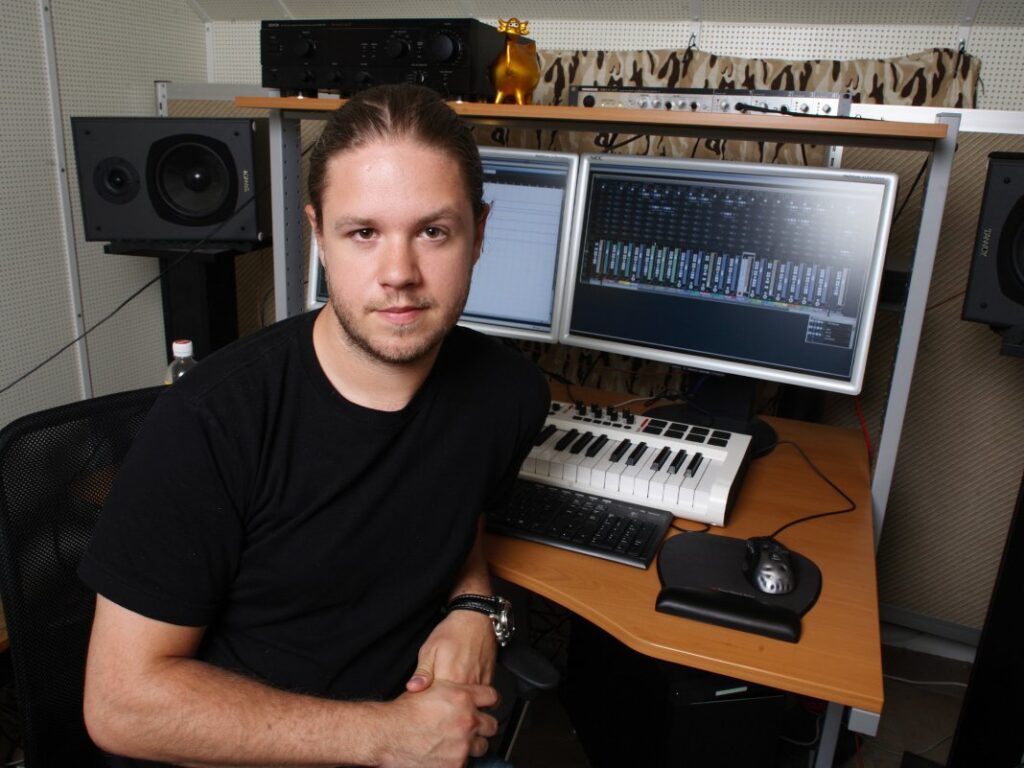
John Dahlbäck, the producer behind Avicii’s Don’t Hold Back, now treats artificial intelligence as a standard instrument in his studio rather than a threat.
The Swedish house legend, who has collaborated with Kaskade and Benny Benassi, told MusicRadar that he approaches the technology much like a synthesiser or a library from Splice. He feeds a beat into the software to generate ideas for development, tweaking the output until it fits his vision.
Recreating samples, not just copying them
Dahlbäck draws a parallel between his early sampling work and current AI usage. When he sampled tracks previously, he often tried to recreate the sound rather than dropping the original file directly into the mix. He applies the same logic to voice tools.
He records vocals with his own voice, which he describes as horrible, then uses AI to transform it into a beautiful singing voice. This approach allows him to achieve a polished result without needing a session singer present.
When AI helps, not hurts
He is excited about the technology only if the user remains creative. He contrasts this with lazy generation, noting that simply uploading a pop song to Spotify after a single click makes no sense to him.
His brother, an old-school producer who records live bands, provided a practical example of the tool’s utility. A singer once left a studio session without recording backing vocals. The producer loaded the singer’s acapella track into AI software to generate stems. The result was a fuller vocal performance, which the brother found brilliant.
Dahlbäck recently spoke to the producer of a famous Swedish singer about a similar project. The artist had discovered old tapes of herself singing at the age of five. They plan to train an AI model on that young voice so she can duet with her past self.
“It’s kind of incredible,” Dahlbäck said. “I’m all for that.” He added that he dislikes when anyone sloppily uses AI to generate a song, export it, and upload it to streaming services without creative input.
What it means
For producers like Dahlbäck, the shift is from fearing replacement to using tools that solve specific gaps in a recording. The technology acts as a safety net for missing tracks or a way to manipulate timbre, provided the human operator directs the process with intent.