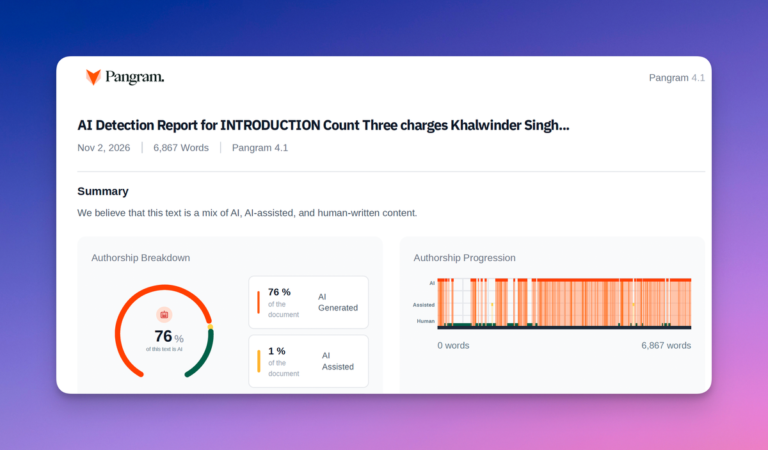
Pangram, an artificial intelligence detection service, flagged ninety-nine percent of the text in David Silva Rojas’s novel Donde el agua trabaja as machine-generated. The Peruvian author won an award for the book while the Mexican publisher Almadía maintains the work is human-written after reviewing the author’s submitted documents. Pangram also marked more than eighty percent of accompanying interviews, essays, and social media posts as AI-written. Silva Rojas argues that critics in Latin America ignore these results because the tests carry racist undertones. She compares the situation to other literary controversies involving Thélyson Orélien and Jamir Nazir. The author suggests that juries often prefer clichéd narratives about minorities, which language models can replicate easily. Publisher Gallimard has announced plans to screen future manuscripts with the tool starting next year. Meanwhile, the Authors Guild in the United States warns writers that detectors should not be the sole basis for judging authorship, even though Pangram correctly identified human-written samples in its own tests. The core issue remains the reliability of these tools when applied to creative writing without clear context.
The situation highlights the growing tension between automated verification and literary judgment. Publishers may adopt these tools to manage risk, yet false positives threaten the credibility of awards and the careers of writers. The debate also questions whether current detection methods can distinguish human nuance from model patterns.
* Pangram flagged ninety-nine percent of the novel text as AI-written.
* Publisher Almadía stands by the award after internal review.
* Gallimard plans to use the tool for manuscript screening next year.