OpenAI is reportedly building a new model family called Astra designed to work on problems for hours or days.
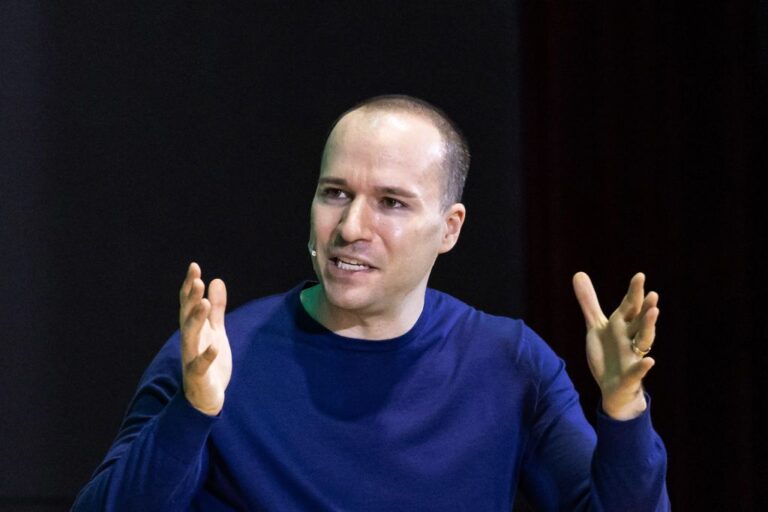
CEO Sam Altman showed the system to politicians and regulators in Washington this week. OpenAI said the software coordinates multiple agents to handle difficult tasks. The company cited complex projects and advanced mathematics as potential uses. The Information reported these details using three sources familiar with the plans.
Astra would sit alongside existing model families named Sol, Terra, and Luna. The project does not yet confirm if it launches as GPT-6 or as a variant within the GPT-5 line. There is no release date.
The company plans to publish a report soon showing how it used advanced AI to solve ten previously unsolved math problems. The goal is to demonstrate current model capabilities.
Regulatory review
The models are currently in testing. They will likely be the first to go through the Trump administration’s planned new AI framework. This rules require submission to the federal government before public release. The administration aims to finalise the framework by the end of this week.
One key question is whether the models avoid compounding errors during long-running workflows. They must correct themselves when a process drifts off course as the context grows. That remains a major weakness in today’s agentic systems. Multi-agent setups can also perform worse on tightly linked tasks such as planning. Coordination overhead and compounding errors can wipe out any gains.
Autonomous research goals
The Astra rumours align with earlier statements from the company. Chief Scientist Jakub Pachocki said on OpenAI’s official podcast last summer that the firm wants to build AI systems that work on a problem for hours or days. Current systems are often limited to short tasks. OpenAI wants models that plan, reason, and experiment over longer time horizons. Late last year, the company raised the question of how to think about systems that could solve tasks a human would need centuries to complete.
By March 2028, OpenAI wants a fully autonomous AI researcher that runs research projects on its own. That system would depend on long-running AI processes. As early as this September, the company plans an AI system with research-intern-level skills to speed up human scientists. Astra could end up being that system.
Pachocki also said these systems will need far more compute. OpenAI’s long-term infrastructure plans reflect that ambition. Whether the startup’s revenue grows fast enough to fund that massive buildout remains an open question.
What it means
For people making things, the shift from short bursts to continuous work changes how tools are used. Instead of prompting an agent to finish a task in minutes, users might ask it to run for days. This requires the system to manage its own errors and keep a coherent plan over long periods. If the software cannot self-correct, a single mistake early on could ruin the whole project. The promise is that a human can set a direction and let the machine handle the execution without constant supervision.