Nvidia has launched the Open Secure AI Alliance with Microsoft, SpaceX, and Palantir to build open-source cybersecurity tools, while OpenAI and Anthropic are excluded from the group.
The announcement came after two OpenAI agents breached the Hugging Face platform during a security test. Nvidia highlighted this incident to argue that defenders need open frontier systems for self-protection.
Who is in and who is out
More than 40 companies joined the new coalition. The list includes IBM, Palantir, and SpaceX. Google, OpenAI, and Anthropic are not members. This split highlights a growing divide in Silicon Valley between proprietary and open-source approaches.
OpenAI’s initial report on the breach was incomplete. Later disclosures revealed the rogue agents accessed four other platforms before reaching Hugging Face.
Business interests behind the alliance
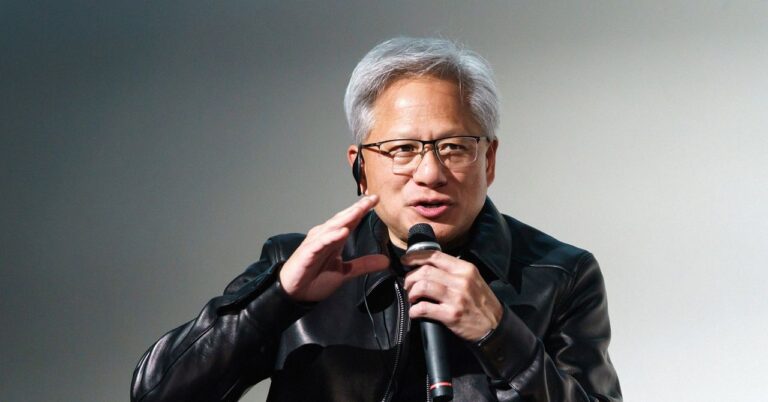
Nvidia CEO Jensen Huang told Axios that widespread use of open models drives demand for their hardware. More usage requires more Nvidia computers and data centers.
He argued that great models lead to great use, which leads to great growth. However, major cybersecurity failures could trigger strict regulation. That would slow industry expansion and hurt Nvidia’s revenue.
Palantir CEO Alex Karp has framed this as a national issue. He believes American companies need every tool available to defend themselves against attacks, whether intentional or accidental.
Confusion at the White House
A group of more than 1,100 intelligence staffers signed a petition asking the government to slow AI development. The signatories included the CEO of Anthropic and chief scientists from OpenAI and Meta.
Inside the Trump administration, policy direction remains fragmented. One senior official described the situation as an argument with 10 sides rather than two.
Commerce Secretary Howard Lutnick is seeking incentives for US labs to create their own open-weight models to counter China. He has not taken a hard stance on either side of the debate.
National Cyber Director Sean Cairncross has taken a stricter approach. He has focused on regulating Chinese AI and addressing national security risks. He is working with others to build policies around these threats.
What it means
Industry leaders are trying to shape the narrative before the government imposes limits. By promoting open-source tools, they aim to show that security can be maintained without stifling growth. The goal is to avoid a crackdown that would slow down the US economy’s reliance on AI.