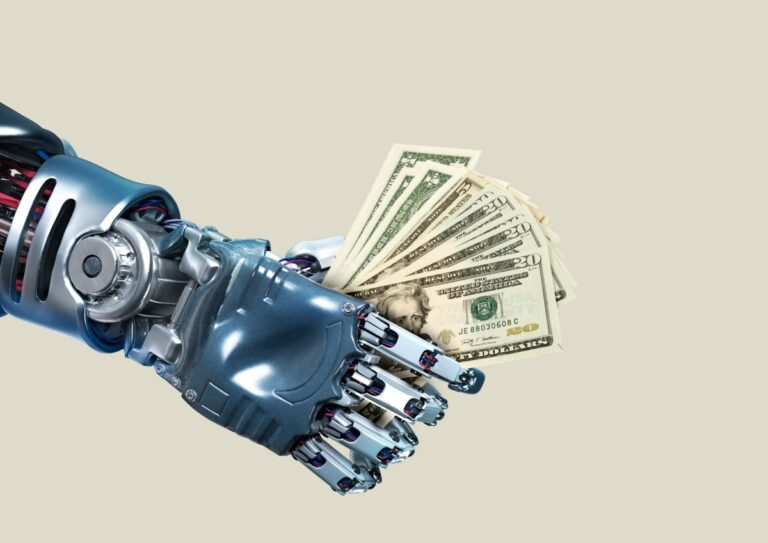
TechCrunch’s Equity podcast recently featured NEA partner Tiffany Luck discussing the shift in enterprise attitudes toward artificial intelligence. Earlier this year, tokenmaxxing drove a frenzy where executives urged staff to maximise AI adoption without regard for cost. That enthusiasm quickly turned into reality checks, with reports indicating Uber exhausted its annual budget in months and Meta removing internal leaderboards. Some organisations have even revoked access to tools like Claude for specific departments. Luck, who previously championed e-commerce as the next big thing, now focuses on the practical application of AI within consumer business. She highlights the potential for magic moments that deliver genuine value, noting that the current phase is defined by a necessary recalibration between hype and measurable financial return.
This transition matters because it signals the end of speculative spending and the start of rigorous accountability. Startups are now emerging to fill the gap left by internal tracking failures, offering solutions that help companies quantify the return on their AI investments. Luck suggests that while personal agents and new AI IPOs capture headlines, the real work lies in proving these technologies solve specific business problems. The market is moving away from vanity metrics toward sustainable integration. Enterprises must now decide which tools actually improve efficiency or revenue rather than simply generating buzz. This discipline will determine which companies thrive in the next phase of the technology cycle.
- Tokenmaxxing has given way to a focus on tangible ROI after some firms overspent on AI tools.
- New startups are building platforms specifically to help enterprises track the return on their AI spend.
- Success now depends on identifying magic moments that deliver real value rather than just increasing usage.