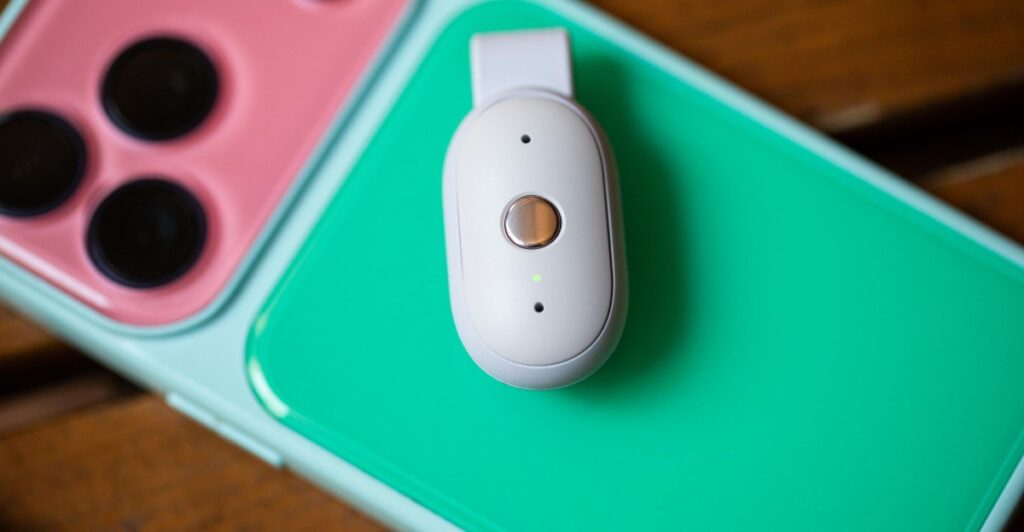
Victoria Song wore the Amazon Bee Frontier to a therapy session and asked her therapist for permission to keep it on. The device is an always-recording AI wearable that captures ambient sound and processes it locally without sending audio to the cloud. Song felt uncomfortable disclosing her location and the specific details of the conversation to the therapist while the device remained active. She eventually removed the wearable to ensure the session remained private and focused on human interaction rather than machine analysis. This incident highlights the friction between continuous data collection and the need for confidential therapeutic environments.
The core issue is that the device records constantly regardless of whether the user is speaking or listening. Even when Song was not talking, the ambient listening feature captured the room’s audio. This creates a situation where a user cannot guarantee that a private conversation has not been logged by the hardware on their body. The manufacturer states that the data is processed locally, but the recording itself persists until manually stopped. This limits the practical use of such wearables in settings where silence and discretion are required.
- The device records ambient audio continuously without requiring voice activation.
- Local processing does not prevent the initial capture of the conversation.
- Users must manually stop recording to prevent data capture in private settings.