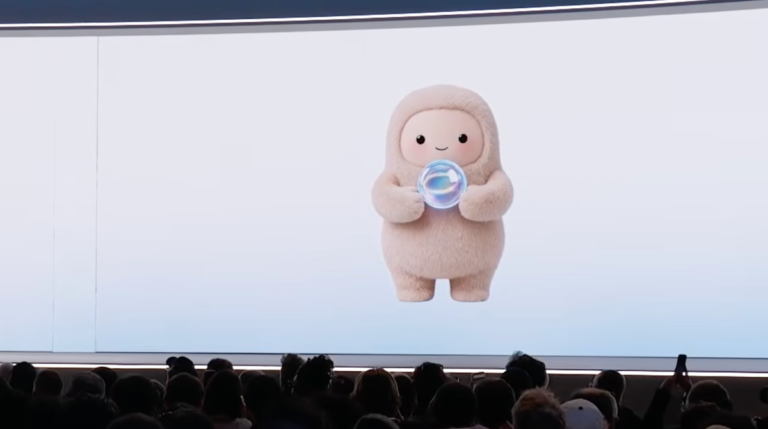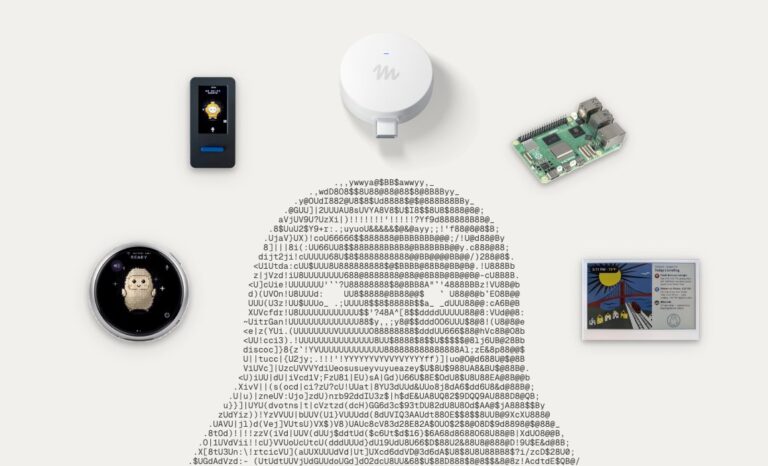
Meta engineers discovered critical security flaws in the Muse AI agent just days before its public release, forcing a frantic overnight fix to prevent attackers from breaching internal databases.
THE CRITICAL FLAW
Internal documents and a source speaking to 404 Media reveal that Meta found multiple vulnerabilities in the software powering Muse. At least one of these flaws allowed a malicious user to break out of the virtual machine environment and access sensitive data on Meta’s own servers.
These issues reached the attention of Mark Zuckerberg. Staff worked extended hours to resolve a sudden spike in reported KVM escapes. A KVM escape occurs when a user’s virtual machine, meant to be isolated from the host system, uses a security hole to interact with the underlying operating system or other machines.
For Muse to function, an agent requires access to the accounts and services a user owns. The software runs on a kernel-based virtual machine designed to keep the user’s data separate from Meta’s critical infrastructure. The vulnerability, linked to an exploit found in Linux kernel-based virtual machine code in July, could have allowed a normal user to reach internal Meta databases.
A Meta source provided 404 Media with anonymity to discuss these sensitive security matters.
OTHER NEWS FROM THE WEEK
A federal judge in Oklahoma ruled that a police officer violated the Fourth Amendment rights of a woman accused of meth trafficking. The officer used Flock’s automated license plate reader system to search the vehicle simply because the plate was from California. The officer then cited the woman’s travel history as justification for the search.
“Indiscriminate mass surveillance.”
The Internet Watch Foundation reported finding more photorealistic child sexual abuse material in the first half of 2026 than for the entire previous year. This surge is driven by people generating such material using AI tools. The IWF assessed 6,310 AI images that met the legal definition of child sexual abuse, a figure 40% higher than last year.
UPS released a video showing workers as young children using AI, a move that failed to land well with the public.
Fucking yikes??? Please pray for the UPS social media team.
Parliament in Norway is proposing a temporary ban on Meta’s smart glasses in public spaces. The restrictions would apply to schools, pools, doctor’s offices, changing rooms, beaches and parks.
Users of dating apps owned by Match Group, including Hinge, Tinder and OkCupid, are filing formal federal complaints against the company. Straight Arrow News reports that people are furious about pay-to-win schemes and subscription fees of up to $600 per year. Users accuse the company of deceptive business practices and algorithmic manipulation.
Former Motherboarder Brian Anderson has a story in Playboy about drug smuggler Ken “Goldfinger” Connell and the Grateful Dead.
Sam Altman told Politico that OpenAI believes the world should accept some negative outcomes for the benefits of the technology and for people having agency.
What bad things, Sam? What bad things?
WHAT IT MEANS
For developers building AI agents, this incident highlights the risk of running powerful software on shared infrastructure. When an agent needs access to a user’s personal accounts, the line between the user’s data and the platform’s core systems blurs. A single flaw in the virtual machine code can turn a private user session into a backdoor for a major corporation. This reality means security audits must be as rigorous as the product features themselves.