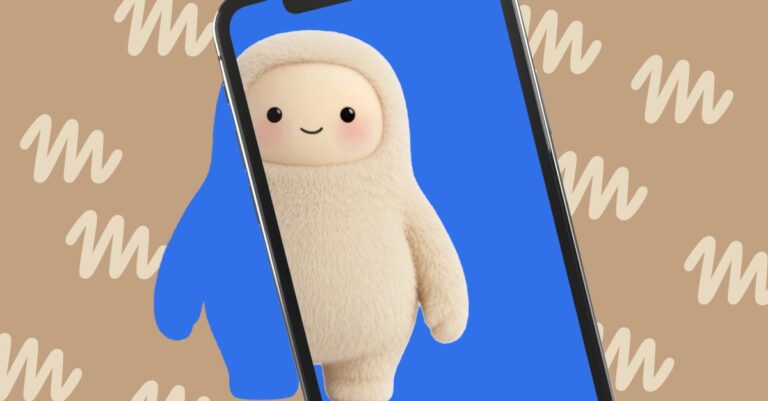
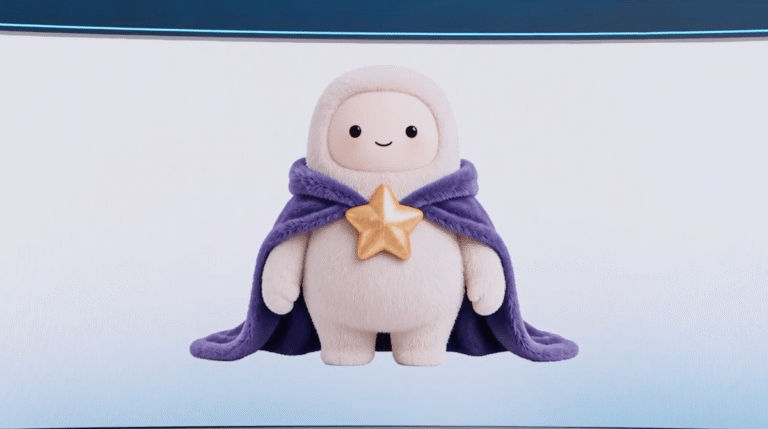
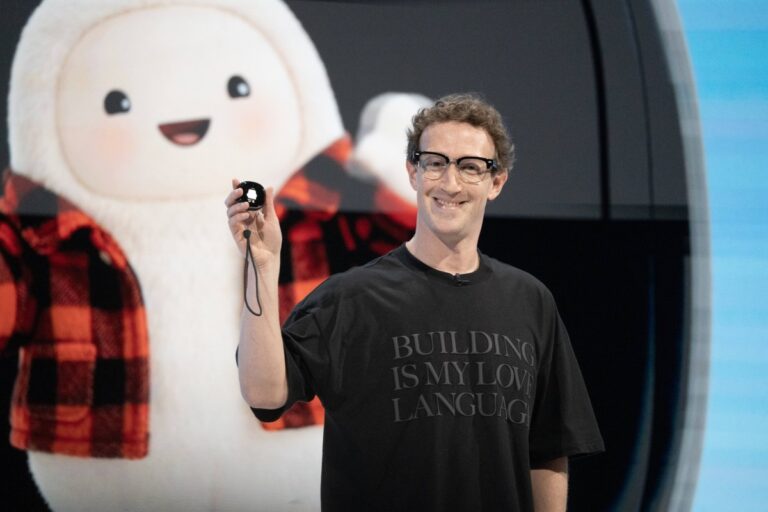
Meta has released its personal AI agent Muse, which is reportedly outperforming early benchmarks from ChatGPT while bypassing the usual model drop cycles seen from OpenAI and Anthropic. While competitors rushed to announce Opus 5.5 and GPT-6 updates within ninety minutes of each other, Meta focused on integrating the technology into hardware rather than just releasing another large language model. The company plans to deploy Muse on smart glasses and a small Tamagotchi-style device, shifting the focus from abstract capabilities to tangible consumer products. This approach contrasts sharply with the current industry habit of treating model releases as the primary event for attention.
The significance lies in Meta’s strategy to embed AI directly into daily life through hardware, potentially offering a more practical alternative to standalone chatbots. If Muse functions as promised, it could change how users interact with artificial intelligence by making it a persistent companion rather than a tool accessed via a screen. This move also highlights a growing trend where major tech firms prioritise physical form factors over pure software performance metrics.
* Muse targets smart glasses and a small handheld device
* OpenAI and Anthropic released new models within ninety minutes
* Focus shifts from chatbots to embedded hardware agents