Meta has released the next generation of its smart glasses at the Meta Connect event in Menlo Park, addressing earlier concerns over privacy with a new model that lacks a camera entirely.
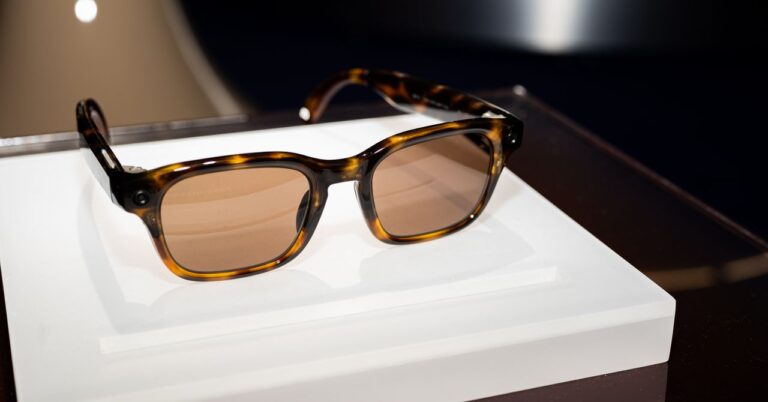
The company unveiled three main products: the third generation of Ray-Ban Meta smart glasses, a camera-free version called Ray-Ban Meta Audio, and a new pair of VR glasses designed to look like big goggles rather than a helmet.
Meta is also integrating its Muse AI agent into the smart glasses platform.
Meta VR Glasses
The new VR glasses are a significant departure from the Quest headsets. They weigh five times less than the Meta Quest 3 and sit on the nose without a headstrap.
The design resembles the virtual display glasses from Viture or the upcoming Project Aura from Xreal. These are lightweight lenses that allow access to virtual spaces without the bulk of a traditional headset.
There are no controllers included. Users control the interface with hand movements and finger pinches, similar to the systems used by Apple Vision Pro and Android XR devices. Eye tracking identifies what the user wants to access. Pinching two fingers opens an app, while making a fist and flicking the thumb scrolls the screen.
The lenses feature a 5K micro-OLED display with a resolution of 2412 x 2288 pixels per eye. Computing power and the battery are housed in an attached puck.
Users can magnetically clip small prescription lens inserts inside the frames, though Meta has not disclosed the cost.
The software matches that of the Quest VR devices. This allows access to the full ecosystem, including games like Beat Saber, live sports apps, and streaming services like Disney+. A digital workspace mode provides multiple monitor screens, and a virtual keyboard appears on a surface in front of the user. The embedded cameras track finger placement to type.
The main drawback is the limited field of view. The glasses do not cover the entire vision, making the experience less immersive than a traditional VR headset.
The price is $1,300, with shipping scheduled for spring 2027.
Ray-Ban Meta Audio
Following months of criticism regarding the privacy risks of camera-enabled smart glasses, Meta has introduced a pair with no cameras.
The Ray-Ban Meta Audio glasses retain all audio capabilities found in the standard smart glasses but remove image and video capture. They weigh 43 grams, making them lighter than previous models. Battery life reaches 12 hours on a single charge, or up to 48 hours with the included charging case.
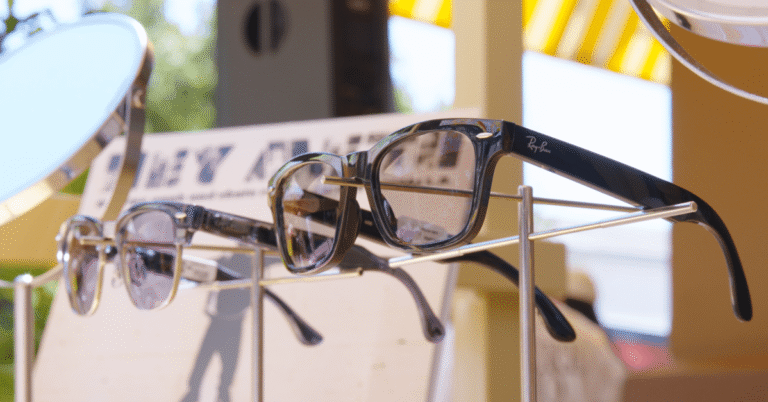
Available in 23 colour and style options, including the retro Ray-Ban Clubmaster and a rectangular Burbank frame, the Audio glasses cost $349. Preorders are open now, with shipping starting on October 10.
Ray-Ban Meta Gen 3
The flagship smart glasses line receives a Gen 3 upgrade. The 12-MP cameras can capture 3K Dolby Atmos-enabled video, an improvement from last year’s capabilities.
Battery life extends to 9 hours, two hours more than the predecessors. A new six-microphone array improves sound quality and filters background noise more effectively.
A new feature called Hearing Enhancement uses the speakers to amplify speech and audio around the wearer, functioning similarly to the Nuance glasses from EssilorLuxottica.
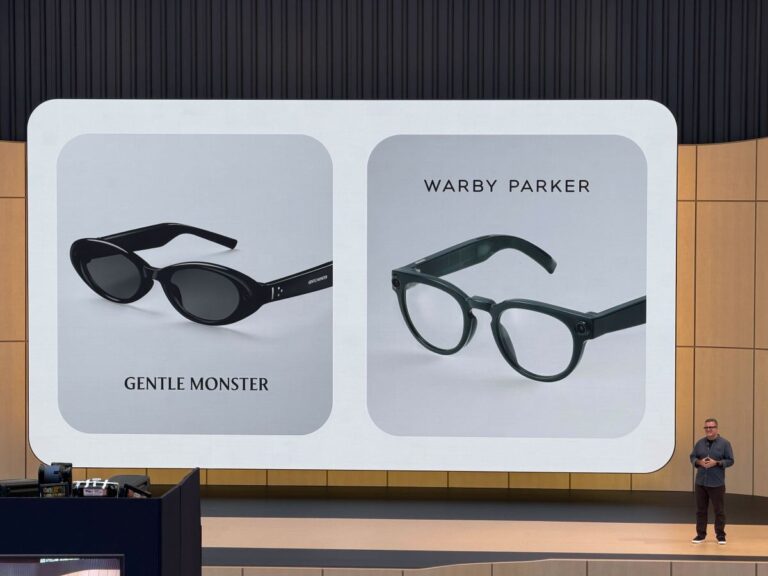
Meta previously launched its own branded smart glasses this summer, priced lower but functionally identical to the Ray-Ban models. The Gen 3 versions of these Meta-branded glasses now come in a cat-eye shape called Capri and a rounder lens called Nova.
The Ray-Ban Meta Gen 3 glasses start at $449. Special edition aviator models are $579. Collaborative designs featuring Kylie Jenner and rapper Lisa are also available now, complete with optional charms.
Meta has not yet revealed the price for its own branded Gen 3 glasses. We will update this report with preorder and sale dates once available.
Meta Ray-Ban Display
The Display glasses receive updates through the integration of Meta AI. Users can now generate photorealistic holograms of their faces, which can assist with video calls. Cycling options and navigation apps have also been improved.
This is a developing story. Please check back for updates.
What it means
The new VR glasses offer a lighter alternative to bulky headsets, but the lack of full field of view limits immersion. The camera-free Audio model directly addresses privacy concerns for users who want smart glasses without recording capabilities. While the Gen 3 Ray-Ban glasses add better video and audio features, the pricing for Meta’s own branded version remains unknown.