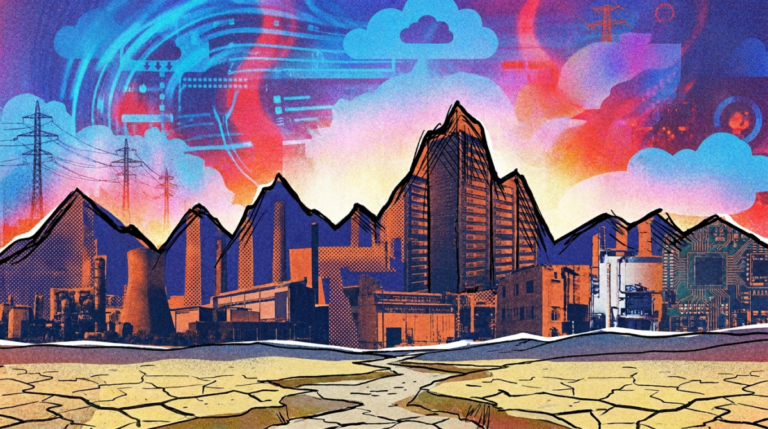
Massachusetts is now the third state in three months to impose strict new limits on data centre development.
The mandate
Under a fresh executive order from Governor Maura Healey, developers building facilities with a peak demand over 25 megawatts must supply their own clean power. They can generate this energy on site, construct new generation nearby, or contribute to a ratepayer protection fund.
Healey prefers local generation. If a developer cannot provide it, they face financial penalties to cover the cost of new infrastructure.
The order also directs local communities to avoid signing non-disclosure agreements. To allow regulators time to enforce these rules, the governor has paused applications for a data centre sales tax exemption that began last month.
Healey stated that facilities must meet the state’s clean energy standard, which carries added weight for these operations. While the standard usually requires industry to generate a portion of power from approved sources like wind, solar, and hydro, this mandate is stricter.
The standard currently dictates that by 2030, approved sources must contribute at least 40% of total generation. That figure rises over time. The governor’s office clarified that data centres must meet 100% of their electricity demand with clean energy.
A shifting political landscape
Just a few years ago, tech companies and developers received incentives to locate facilities in specific states. Now, politicians are facing public opposition and seeking to demonstrate to voters that they are addressing local concerns.
Earlier this year, Texas Governor Greg Abbott announced that all new data centres in the state would require audits by the public utility commission and the grid operator, ERCOT. In July, New York’s governor halted construction on new sites of 50 megawatts or larger.
With public sentiment turning against data centres, the tech industry is pushing back. The pro-AI super PAC Leading the Future, funded by Marc Andreessen, Ben Horowitz, and Greg Brockman, is purchasing advertisements to influence voters in battleground states ahead of the midterm elections.
What it means
For the people building these facilities, the era of free power is over. Developers must now secure their own energy supply or pay for the grid to expand. This adds a layer of complexity and cost to every project, forcing companies to plan power generation as a core part of their infrastructure strategy rather than an afterthought.