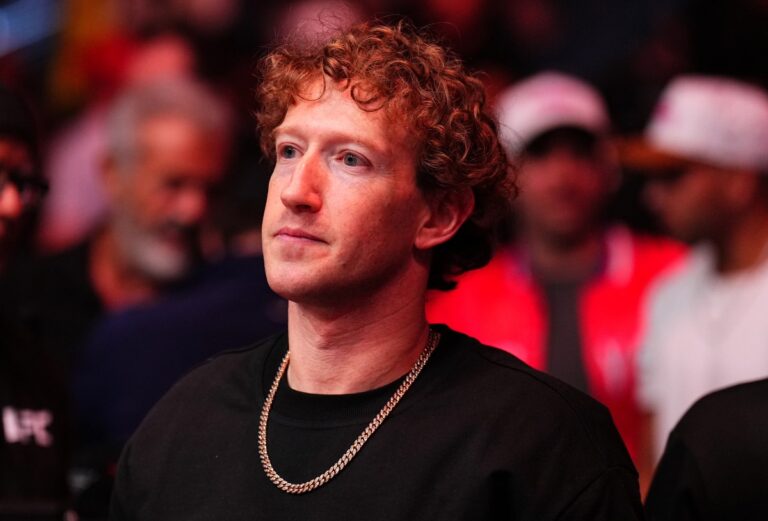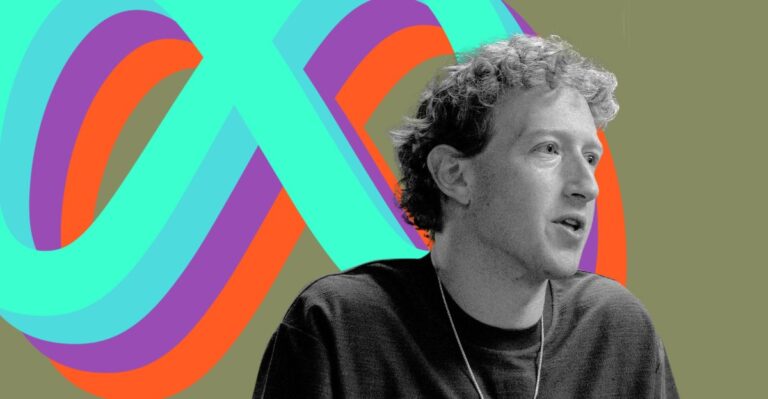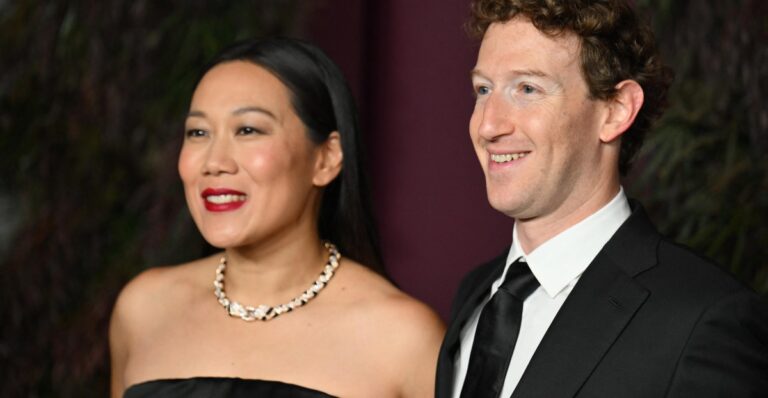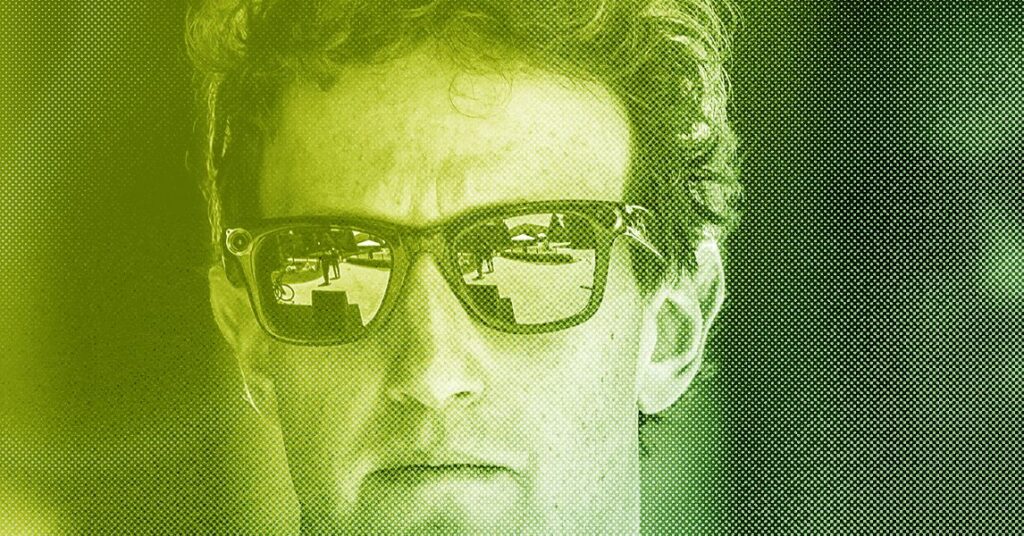
Mark Zuckerberg published a 6,500-word essay on AI titled “The Future is for Everyone” on Monday. The piece argues that concentrating artificial intelligence power in a few institutions is dangerous, suggesting broad access to these models is necessary to diffuse that power. He did not name specific names, but the text clearly took jabs at OpenAI and Anthropic, which favour tighter control over their private models. At one point he writes, and I quote, “Historically hoping that an absolute power will benevolently provide for humanity if sufficiently enlightened has not led to safe or positive outcomes.”
Most of the commentary on this document suggests it rings hollow. Brian Barrett, executive editor at WIRED, noted that the essay was an expansion of a Wall Street Journal op-ed Zuckerberg wrote previously. The core message is that Meta wants to be seen as a leader in the industry and that its products should not be feared. This comes from a company ordered by a court last week to pay $567 million for failing to protect children’s mental health online.
The context of the race
Leah Feiger, director of politics and science, pointed out the irony of Zuckerberg’s stance. Meta laid off many people on its AI team just a few months ago. The hiring spree to create a super intelligence lab has not produced anything that catches up to the bigger labs yet. Now he is saying that open access is better. It is like when you cannot win a race and so you say, “Actually, we shouldn’t be racing at all. This race is dumb. Why aren’t we just all sharing everything?”
Zoë Schiffer, who contributed to the analysis, asked why Zuckerberg felt the need to write 6,500 words on his vision for AI super intelligence. He told reporter Alex Heath that it is because Meta is about to start releasing super smart models and he wants the world to understand his philosophy before that happens. Schiffer believes the real reason is that AI is unpopular right now and Meta wants to position itself as better than its rivals.
The problem, according to Schiffer, is that the manifesto does not seem to take AI all that seriously. Zuckerberg uses the example of an agent creating personalised recipes so that he and his daughter can bake together. Aside from the fact of why you need a personalised cookie recipe, it just seems to miss the fact that these tools are dangerous. They are powerful, and we need AI leaders and tech leaders who take that danger really seriously.
Barrett added that the breezy description of AI ignores all the potential downsides that have been playing out recently. We are in the summer of rogue AI agents, including one of Meta’s own, showing how unpredictable and out of control these things can be. The essay was run through Pangram, an AI detection tool, and the verdict was human written. AI is good enough for recipes with his daughter, but not good enough to crank out a manifesto.
Job seekers schedule interviews at 1 am
WIRED senior writer Kate Taylor published a story on the strange pattern that has been increasingly emerging. So many first round job interviews these days are done by AI. You sit down in front of a screen and an AI interviewer asks you questions or prompts, or if it is not AI, it is a series of prompts that are programmed into a software. You just sort of answer that way and not get screened. Because you can do that literally anytime because there is no human on the other end of it, people who are looking for jobs are increasingly scheduling those interviews late at night as late as one in the morning sometimes.
This allows them to get around any family calendar conflicts, any work conflicts, the hassle of making up a dentist appointment when you are doing a job interview. Now people just sort of do it after the kids are in bed, sitting down in their living room, talking to an AI agent who is going to determine their livelihood. Leah Feiger noted that historically she was really bad at doctor’s appointments and dentist appointments, not because she was not interested in her health, but because she just could not figure out how to.
Security findings from Black Hat and Defcon
Later in the show, WIRED’s Andy Greenberg joins to unpack the best findings from Black Hat and Defcon, two of the world’s biggest cybersecurity events. The research includes a hacked kids’ smartwatch and a coin-sized device that can hijack a Boeing 737.
What it means
Zuckerberg’s manifesto is a marketing screed designed to reassure the public that AI is fine and that Meta can be trusted. However, the company’s track record on safety issues and its recent layoffs suggest it is pivoting because it cannot win the race on closed models. Meanwhile, the reality of AI adoption is shifting how people interact with hiring processes, forcing job seekers to adapt their schedules to avoid human contact.