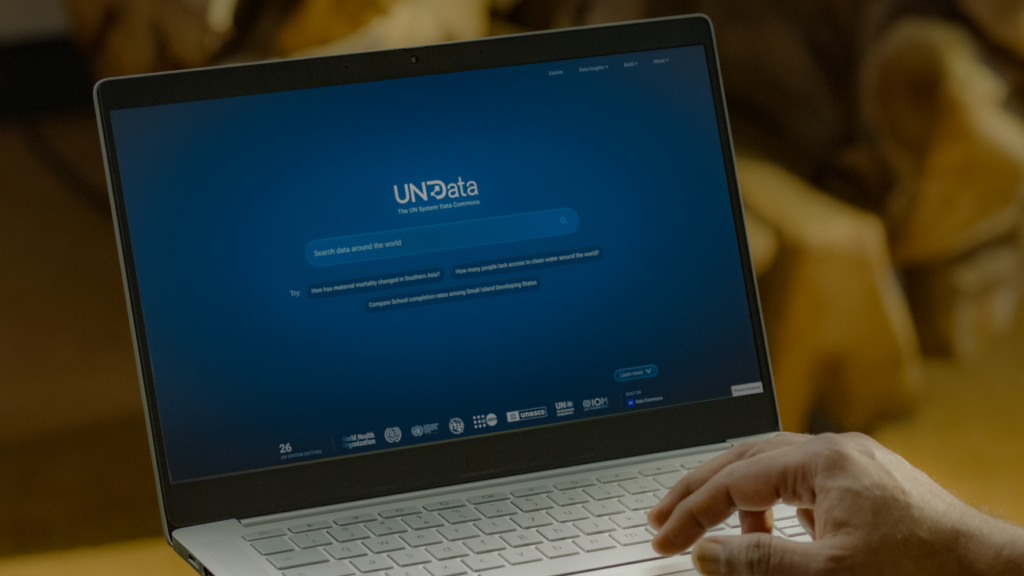
United Nations agencies are launching a new platform to connect global statistics that have previously lived in separate systems. The UN System Data Commons unites these fragmented datasets into a single resource built on technology from Google. This shift allows researchers and leaders to track progress without spending months formatting conflicting spreadsheets.
United data for complex problems
Society’s biggest challenges, such as public health issues or poverty, require more than one data source. Solving them demands an understanding of how different metrics intersect. The new platform merges siloed datasets so they share a common structure. It automatically aligns measurements, timeframes, and geographic boundaries into one environment. Analysts can now focus on identifying trends rather than cleaning data.
Plain language search
The system uses AI to let users explore insights through simple text queries. A programme manager, journalist, or policy analyst can ask questions in everyday language and receive relevant data with visual results. Examples include:
- How does access to clean water in rural areas affect school attendance?
- How many people gained access to electricity in the last decade?
- How has life expectancy changed across different regions of the world?
An alternative is browsing via the Explore tab, which filters information by location or themes like health and education. A Blog section breaks down complex trends into reports, such as using UNICEF data to examine methods for reducing child poverty. Every dataset is validated by UN statisticians and technical experts to ensure the answers rely on official facts.
AI as research assistants
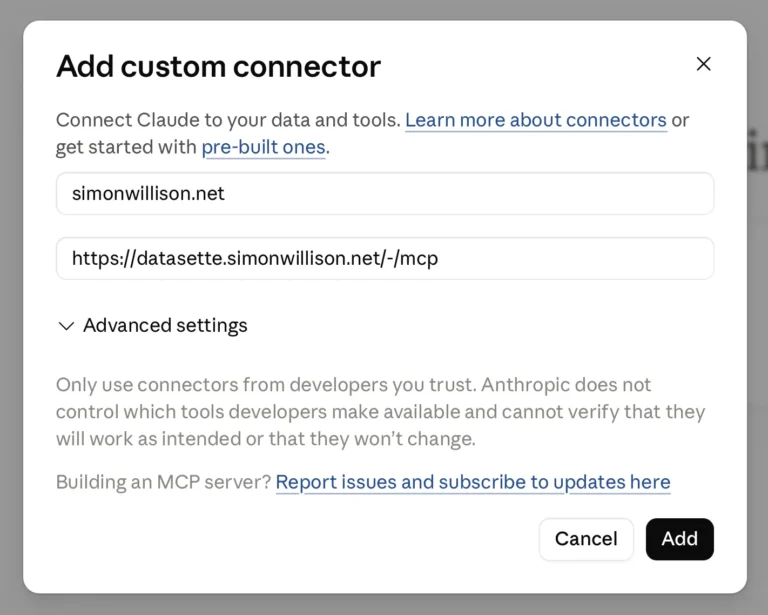
The launch includes AI assistant tools to speed up the research workflow. Users can prompt an AI agent to handle the heavy lifting of searching for numbers and assembling data. Built on open standards like the Model Context Protocol (MCP), the platform allows AI agents to fetch authoritative figures directly from the UN System Data Commons. These agents connect information across different domains and package it into charts, graphs, infographics, or draft reports. Even with verified data, reviewers must check underlying sources before citing critical figures.
Future expansion
The UN system plans to add datasets from more entities over the next year. The goal is to include 80% of UN system statistical datasets by 2027.
What it means
Researchers no longer waste time manually connecting dots between different UN organisations. The platform turns raw statistics into a unified knowledge graph. This means faster analysis and the ability to ask specific questions without needing advanced technical skills. The data remains official because experts validate every entry before it is published.