Key Takeaways
- LinkedIn is implementing new detection systems to combat AI-generated content that lacks value.
- The verification filter aims to identify fake profiles, reducing engagement from bots and AI tools.
- In initial tests, the company correctly flagged generic content 94 percent of the time.
Linkedin’s War on AI Slop is Not Just a Policy Update – It’s an Admission that the Platform Lost Control of its Feed
LinkedIn is intensifying its efforts to combat waves of AI-generated content on the platform. New detection systems are being deployed to curb low-quality posts, while a verification filter will make it easier to spot bots and fake profiles.
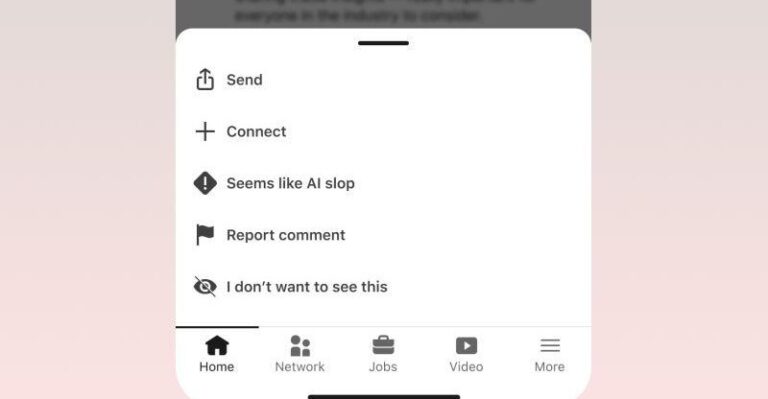
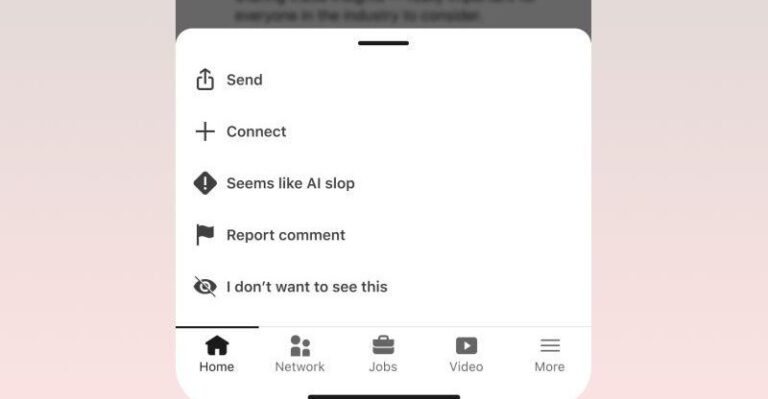
The business world’s Facebook is grappling with an escalating issue: more and more posts and comments appear to be autogen from AI without any meaningful content. LinkedIn employs the now common term “AI slop” – content that appears polished but offers no value.
“When AI is overused, especially at scale and in an automated way, it dilutes the valuable insights that real human conversations can spark,” writes Laura Lorenzetti, Vice President and Executive Editor at LinkedIn Global Editorial, in a recent blog post. “Your posts and comments need to represent your voice and perspectives.”
This move is particularly noteworthy given Microsoft’s role in promoting AI use on LinkedIn. Just days ago, the company introduced Copilot features for web-based AI-assisted writing, including an example using the platform itself.
New Detection Systems Take Aim at Empty Content
LinkedIn bets on new technical systems trained with its editorial team to detect posts and comments that appear to be generated by AI and lack clear perspective. These systems will help distinguish articles that offer context, expertise, or a fresh take from those that read as generic or repetitive.
The measures also target bulk comments pumped out by automation tools without human input, along with replies that merely repeat the original post without adding value. Content flagged as AI-generated and thin on opinion will receive less reach; instead of appearing in other users’ feeds, it’ll primarily remain within the author’s network.
Initial tests show the company correctly identifying generic content 94 percent of the time. Users have reported seeing fewer junk posts since these measures were implemented. LinkedIn expects this trend to persist.
However, the company hasn’t shared any data that can be independently verified. It’s unclear how often legitimate posts are wrongly flagged as “AI slop.”
Fake Profiles: A New Front
To combat fake profiles and bots, LinkedIn is relying on its verification system. Over 100 million members now have verified accounts. This move aims to reduce engagement from these sources.
Lorenzetti notes that bot-generated content kills genuine engagement. The company’s new verification system will help identify and mitigate this issue.