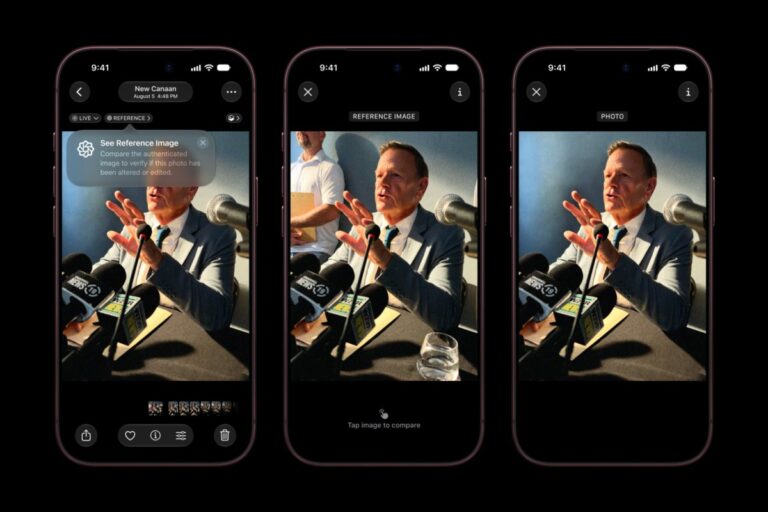
Major social platforms including Google, YouTube, Meta, and TikTok have intensified their efforts to label AI-generated content, yet users remain unable to actively filter it out. While these tech giants have implemented automatic identification systems to distinguish synthetic images, videos, and music from human creations, the current approach relies on passive disclosure rather than active control. The industry standard involves adding small badges or metadata to posts, ensuring that creators are transparent about their methods. However, this strategy does not address the core issue of information overload caused by the sheer volume of low-quality synthetic material flooding social feeds. Critics argue that mere notification is insufficient when the algorithmic distribution of such content remains unchecked, allowing users to be bombarded with what is often termed AI slop without any mechanism to exclude it from their personal timelines.
The inability to filter AI content represents a significant gap in digital autonomy for consumers navigating an increasingly synthetic internet. Without user-controlled toggles, individuals are forced to manually sift through vast amounts of generated noise to find authentic human connection or accurate information. This lack of agency undermines the effectiveness of current transparency measures, as the mere presence of a label does not prevent the content from appearing in search results or recommendation engines. As the distinction between real and artificial media continues to blur, platforms must evolve beyond passive labeling to provide robust filtering options. Failure to do so risks eroding user trust and exacerbating the spread of misinformation, as audiences cannot easily curate their digital environments to match their preferences for authenticity.
- Major platforms like YouTube and TikTok now automatically label AI content, but users cannot yet filter it from their feeds.
- Passive disclosure fails to address the volume of low-quality synthetic material overwhelming social media algorithms.
- Platforms must implement active filtering tools to restore user control over their digital experiences.