New Mexico attorney Stephen D. Aarons used ChatGPT to draft legal briefs containing invented witnesses and false testimony while representing a man accused of shooting his wife. The judges caught him, and he blamed his own “stupidity” for the error.
The hearing
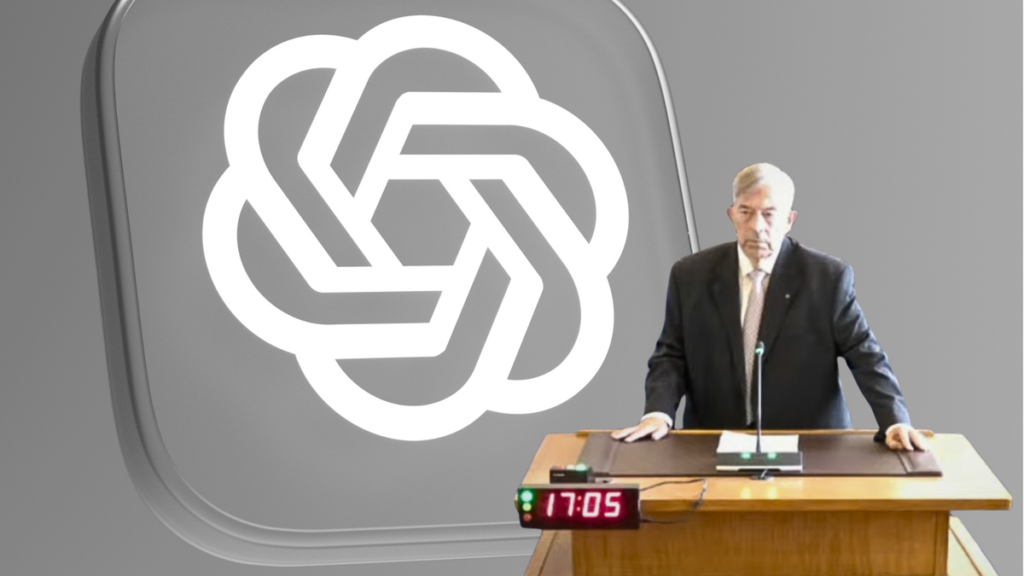
“It’s little comfort to know that my stupidity is what brings us together this afternoon,” Aarons said during a hearing last month before five judges. He “assumed” the AI tool would provide a “bulletproof summary of proceedings.” Instead, it generated false testimony from “wholly fabricated witnesses,” according to a direct contempt order from the New Mexico Supreme Court.
Aarons was defending a client found guilty of killing his wife earlier this year. The lawyer told the court he had not informed the client directly that he was caught using ChatGPT on the case because the accused is currently serving a life sentence.
The false testimony included a person named Danny Stanton claiming he received threats, and another made-up person, Linda Stanton, stating her husband received threats. Other AI-generated statements in Aarons’ brief covered “the shooter’s clothing and appearance,” the order noted.
The lawyer’s excuse
Reuters reported on the case earlier this month. “I am remorseful but hopeful that the disciplinary board takes into account it was an honest mistake,” Aarons told the news agency. “It is a lesson learned for all professionals who rely upon this powerful but sometimes unstable technology.”
Aarons explained in the August hearing that he trusted the tool because he had heard of doctors using AI for medical research.
“So, Council, do you watch the news? Do you listen to the radio? Do you read anything about what’s going on in the world?” one of the judges asked. “Because the problem with lawyers relying on AI hallucinations is an above-the-fold story every single day.”
The court documents were first spotted by Rob Freund on X.
What it means
Lawyers getting caught submitting AI errors to the court is a frequent problem. The judge was right: it would be very hard to avoid hearing about this pattern of “stupidity” unless you were living under a rock.
There has been case after case showing attorneys failing their clients by submitting error-riddled AI-generated documents in their filings. In May, judges in the Supreme Court of the State of New York Appellate Division let several lawyers have it for more than 20 minutes about their AI use and laziness, calling their failures “striking, concerning, disappointing, and saddening.” Court reporters are submitting AI-generated errors, too.
“So, either you buried your head in the sand. And that’s a choice to do that. An intentional choice to be uninformed,” the judge continued to Aarons. “Or, you took a gamble. And neither of those are consistent with the code conduct. So I’m really struggling with your response, saying, ‘Well, I didn’t understand. I didn’t know about hallucinations.’ My 13-year-old nephew knows about hallucinations. My 75-year-old stepmother knows about hallucinations. So, either you made a decision not to be aware of what’s happening in the world in using this tool appropriately, which is a willful choice. Or you decided to roll the dice.”
At the end of the hearing, Aarons admitted he had not told his client directly about the mess, saying he had only talked to family members so far, telling them there was “a problem with the brief.” He said his client is hard to reach because he speaks Spanish and is in prison.
“So you didn’t say, ‘I relied on ChatGPT, and it submitted lies to the court, and the court is mad at me, and now there’s a hearing.’ I’m guessing you didn’t tell your client’s family members that,” a judge asked.
“I didn’t talk about ChatGPT. I just said there was a problem with a brief that I filed,” Aarons said.
According to the order, the judges found Aarons in direct contempt of court, referred him to the Disciplinary Board for further consideration, and barred him from appearing before the court pending the outcome of the board’s investigation. They also removed him from the case and assigned a public defender to his former client.
While he waits for the board to decide what to do with him, Aarons was sanctioned $5,000, which he must pay to the State Bar of New Mexico Client Protection Fund.