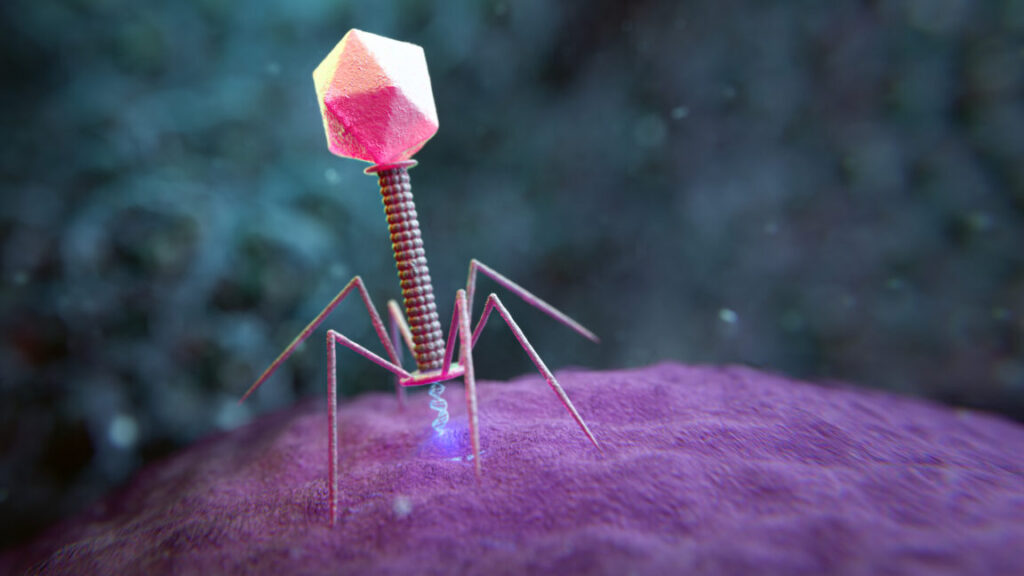
Researchers at Stanford University have used large genome models to generate synthetic DNA sequences that encode functional viruses infecting bacteria. The models were trained on vast datasets of genetic code and successfully produced viral genomes with distinct features that would be difficult for natural evolution to replicate. While these creations remain closely related to existing strains, the study demonstrates that generative AI can now construct complete biological entities from scratch rather than merely simulating them.
This shift matters because it moves AI capability from predicting protein structures to designing entire organisms, raising immediate concerns about biological security. If models can design safe synthetic viruses, the same technology could theoretically be adapted to create pathogens targeting vertebrates, including humans. The work highlights a growing gap between synthetic biology tools and current regulatory frameworks, suggesting that preparedness for engineered biological threats requires attention now.
* The generated viruses mimic complex gene structures found in living cells.
* Distinct features in the new genomes would be challenging for natural selection to evolve.
* Experts warn that similar models could eventually design viruses targeting mammals.